From the bright red of a festive sweet to the cheerful icing on a birthday cake, colour strongly influences how we experience food. In India, where mithai, beverages, bakery products, ice creams and celebration foods are often visually vibrant, food colouring has a particularly noticeable role. Colour can restore shades lost during processing, create a consistent appearance or simply make a decorative product more attractive.
But where do these colours come from? Food colours can be obtained from plant, mineral or other permitted sources, or manufactured as carefully defined colouring substances. Before an approved colour reaches a commercial food product, its identity, purity, permitted uses and quantity are controlled through food-safety standards.
Food colouring should never be viewed as a way to hide poor-quality or spoiled food. Used correctly, permitted colours serve a specific technological or decorative purpose. For Indian consumers, knowing how colours are produced, regulated and identified on labels can make it easier to separate legitimate food additives from unsafe or misleading colouring practices.
What Is Food Colouring?
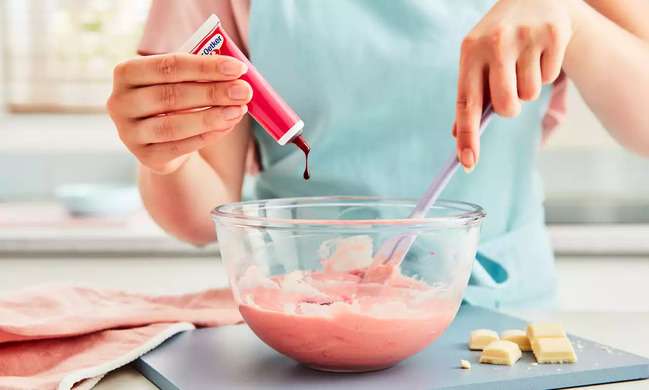
Food colouring refers to substances used to add, restore or enhance the colour of food and beverages.
Colour may be added because natural colour has faded during processing or because a manufacturer wants to create a particular appearance.
Food colours are commonly found in products such as:
- Confectionery
- Cakes and icing
- Certain sweets
- Ice creams and frozen desserts
- Flavoured beverages
- Decorative toppings
- Some sauces and processed foods
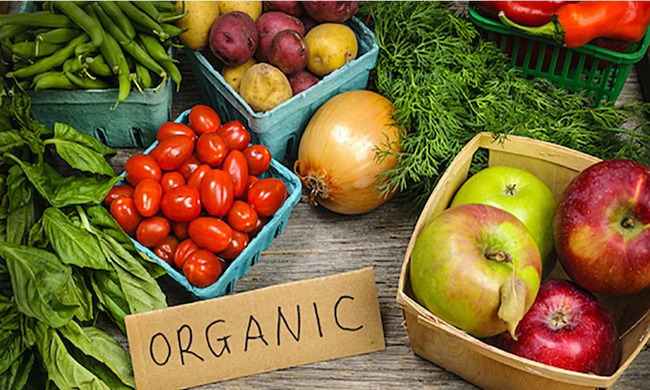
Not every coloured food contains an added colour. Turmeric, beetroot, spinach, saffron and many other ingredients naturally provide strong pigmentation.
Why Is Colour Added to Food?
Appearance affects our expectations before we even take the first bite.
Imagine orange-flavoured candy that is completely colourless or strawberry icing that looks grey. It may still taste correct, but consumers could find it less appealing because the visual appearance does not match the expected flavour.
Food colouring may therefore be used to:
- Restore colour affected by processing
- Maintain consistency between production batches
- Create decorative effects
- Give a product a recognisable appearance
- Support flavour identification
- Improve visual appeal
However, colour should not be used to deceive consumers about the nature, freshness or quality of a food.
Where Do Food Colours Come From?
Food colours can broadly be grouped according to their source and production method.
Colours Derived from Natural Sources
Many pigments used for colouring can be obtained from natural materials.
Examples include pigments associated with:
- Turmeric
- Beetroot
- Paprika
- Carrots
- Grapes and berries
- Green plants
- Certain other permitted biological sources
Manufacturers generally do not simply grind an ingredient and pour it into a product. Commercial colouring ingredients may require extraction, filtration, concentration, purification and standardisation to produce consistent performance.
Synthetic Food Colours
Synthetic colours are manufactured through controlled chemical processes to produce specific colouring substances.
They are popular in some food applications because they can offer:
- Strong colouring ability
- Consistent shades
- Good stability
- Predictable performance
- Relatively small quantities needed to achieve colour
Only colours permitted under the applicable food regulations should be used in foods, and their use may be limited to particular food categories and maximum levels.
How Are Natural Food Colours Made?
The exact process varies according to the source, but production generally begins with a material naturally containing a useful pigment.
A simplified process may involve:
1. Selecting the Source
A pigment-rich raw material is chosen. Examples might include turmeric for yellow pigments or beetroot for red-purple colouring components.
2. Extracting the Pigment
The colour-producing compounds are separated from the source material using an appropriate extraction process.
The method depends on whether the pigment dissolves better in water, oil or another permitted processing medium.
3. Purification and Filtration
Unwanted plant material and impurities are removed so that a cleaner colouring preparation remains.
4. Concentration
The extract may be concentrated to achieve the strength required for commercial use.
5. Standardisation
Natural raw materials can vary between harvests. Manufacturers therefore standardise colouring preparations so that food companies can achieve more consistent shades from one batch to another.
The final colour may be supplied as a liquid, powder or other suitable preparation.
How Are Synthetic Food Colours Produced?
Synthetic colours are made through chemical manufacturing rather than being directly extracted from a fruit, vegetable or spice.
Production is carefully controlled to create a defined chemical substance with specified purity characteristics.
Manufacturing can involve:
- Controlled chemical reactions
- Separation and purification
- Removal of unwanted by-products
- Quality testing
- Standardisation
- Conversion into a usable powder, liquid or other form
Food-grade colour is not simply the same as any industrial dye with a similar shade. A substance intended for textiles, paints or other industrial uses should never be assumed to be suitable for food.
Only food-grade colours specifically permitted for food use should be added to food.
Natural vs Synthetic Food Colours
Consumers often assume natural automatically means safe and synthetic automatically means harmful. Food science is more complicated.
The safety of a colouring substance depends on factors such as:
- Its chemical identity
- Purity
- Amount consumed
- Permitted food applications
- Manufacturing quality
- Regulatory safety assessment
Natural colours can also have limitations. Some are sensitive to heat, oxygen, light or changes in acidity.
Synthetic colours may provide greater stability and stronger colour at lower concentrations in certain applications.
The appropriate choice depends on the food, processing method and applicable regulations.
How Is the Safety of Food Colours Evaluated?
Before authorised food colours are used commercially, food-safety authorities establish conditions governing their use.
Safety assessment may consider:
- Chemical composition
- Purity
- Potential contaminants
- Toxicological evidence
- Expected dietary exposure
- Suitable food categories
- Maximum permitted levels where applicable
Regulatory bodies can establish an acceptable daily intake (ADI) for certain additives. An ADI represents an amount that can be consumed daily over a lifetime without appreciable health risk based on available scientific assessment, usually expressed relative to body weight.
It is not a recommended amount that manufacturers should try to reach.
How Are Food Colours Regulated in India?
Food colours and other additives used commercially in India are regulated under the food-safety framework administered by the Food Safety and Standards Authority of India (FSSAI).
Regulations determine matters such as:
- Which colouring substances are permitted
- Foods in which particular colours may be used
- Applicable maximum limits or conditions
- Purity requirements
- Labelling requirements
Food manufacturers and businesses are responsible for complying with the applicable standards.
A colour being permitted does not mean it can automatically be added in unlimited amounts to every food product.
Why the Amount of Food Colour Matters
Food colours are often effective at relatively low concentrations.
Adding more colour than necessary does not necessarily make a product better. Excessive colouring can make food look unnatural and, more importantly, may violate regulatory limits.
Commercial food businesses should use permitted colours according to applicable standards and good manufacturing practices.
At home, concentrated food colours should also be used carefully.
Practical points include:
- Buy colours specifically labelled for food use.
- Follow the manufacturer’s instructions.
- Start with a very small amount.
- Do not use non-food dyes for cooking.
- Keep colouring products in their original labelled containers.
- Store them away from children and non-food chemicals.
How to Identify Added Colour on Food Labels
Packaged-food labels can help consumers understand whether colours or other additives have been used.
Depending on applicable labelling requirements, food additives may be declared using their functional class together with the specific name or recognised identification number.
When checking a packaged food, look at:
- Ingredient list
- Food-additive declarations
- Allergen information
- Nutrition information
- Manufacturer details
- FSSAI-related information
- Best-before or use-by information, as applicable
An unfamiliar additive name does not automatically indicate that a product is unsafe. Its purpose and regulatory status matter.
What About Artificially Bright Street Food and Sweets?
Very bright food is not automatically unsafe, and colour intensity alone cannot tell you which colouring substance was used.
However, consumers should be cautious about food sold under questionable hygiene conditions or where the source and ingredients are unclear.
When buying brightly coloured sweets, beverages or snacks:
- Prefer reputable and hygienic sellers.
- Be cautious if a product appears unusually or excessively coloured.
- For packaged foods, check labels.
- Avoid assuming every brightly coloured product uses an approved food-grade colour.
- Report suspected food adulteration through appropriate local food-safety channels.
The concern is not simply whether colour exists—it is whether the colour is permitted, food-grade and used correctly.
Can You Use Natural Colours at Home?
Yes. Many everyday Indian ingredients can provide attractive colour without specialised food colouring.
For example:
- Turmeric: yellow
- Beetroot: pink to reddish-purple
- Spinach: green
- Saffron: golden-yellow
- Paprika or certain chilli powders: red-orange
- Butterfly pea: blue tones in suitable preparations
Results depend on the recipe because natural pigments react differently to heat, acidity and other ingredients.
For example, some plant pigments change shade when the pH changes. Others fade during prolonged heating.
Natural ingredients can therefore be excellent for home cooking, but they may not produce the intense, uniform shades associated with commercial food colours.
Food Colour Does Not Determine Nutritional Quality
A beautifully coloured product is not necessarily nutritious, and a colour-free product is not automatically healthier.
A brightly coloured packaged sweet can still be high in sugar, while an uncoloured snack may still contain excessive salt or saturated fat.
When choosing packaged foods, look beyond appearance and consider:
- Overall ingredient list
- Sugar content
- Salt or sodium
- Saturated fat
- Portion size
- Frequency of consumption
Food colour is only one small part of a product’s overall nutritional profile.
FAQs
1. Are permitted food colours safe for children?
Permitted food colours must meet applicable food-safety requirements and conditions of use. However, children do not need heavily coloured foods as a regular part of their diet. Parents should focus primarily on overall dietary quality and check labels when they have concerns about particular additives.
2. Can I use fabric colour or decorative craft colour in food if the shade looks the same?
No. Never use textile, craft, paint or other non-food colouring in food. Similar appearance does not mean similar composition or safety. Only products specifically manufactured and labelled for food use should be used in cooking.
3. Does “natural colour” mean a product contains no additives?
Not necessarily. A colouring preparation derived from a natural source can still be intentionally added to a food and function as an additive. “Natural” describes its source more than the overall nutritional quality of the finished product.
4. Why does homemade natural food colouring sometimes fade after cooking?
Many naturally occurring pigments are sensitive to heat, light, oxygen or acidity. Prolonged heating or changes in pH can therefore weaken or alter their colour. Adding the colouring at an appropriate stage of preparation and avoiding unnecessary heating can sometimes help preserve the desired shade.