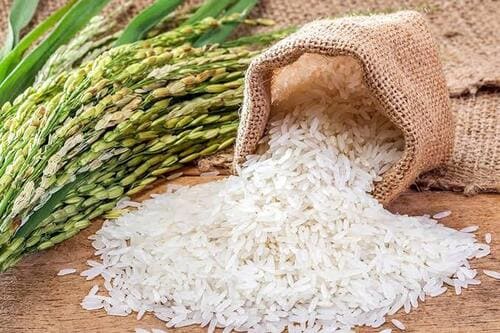
A steaming bowl of khichdi when you are tired, hot rajma-chawal after a long day, or homemade halwa during winter can provide something beyond physical hunger. These foods can feel familiar, calming and emotionally satisfying. Someone growing up in another country may experience the same feeling from chicken soup, pasta, mashed potatoes, congee or another childhood favourite. The dishes are different, but the emotional response can be remarkably similar.
This is the idea behind comfort food—food that people associate with emotional warmth, familiarity, security or pleasant memories. Interestingly, there is no universal comfort-food menu. What feels comforting depends heavily on childhood experiences, family traditions, culture, climate and personal memories.
Yet comfort foods around the world often share certain qualities. They tend to be familiar, easy to eat, strongly connected with home and sometimes rich in carbohydrates, fat, sweetness or savoury flavours. Understanding why certain foods become comforting reveals that eating is influenced not only by nutrition and hunger but also by memory, emotion and social connection.

What Makes a Food “Comforting”?
A food does not need a particular ingredient to qualify as comfort food. Its emotional meaning is usually more important than the recipe itself.
Comfort foods often have one or more of these characteristics:
- Familiar taste and aroma
- Association with childhood or home
- Connection with family members
- Warm or soft texture
- Easy preparation or eating
- Strong cultural identity
- Association with celebrations or care
- Pleasant memories attached to the dish
For one Indian household, comfort food may mean dal-chawal. For another, it might be curd rice, aloo paratha, fish curry with rice or simple roti-sabzi.
The emotional connection is personal.
Childhood Memories Play a Powerful Role
Many food preferences begin developing early in life.
Imagine coming home from school during the monsoon and being served hot pakoras, or receiving homemade kheer during a family celebration. If an experience repeatedly combines a particular food with warmth, attention and happiness, the brain may develop a strong association between them.
Years later, the smell or taste of that food can bring those memories back.
This is why comfort foods often remind people of:
- Parents or grandparents
- Childhood homes
- School holidays
- Festivals
- Family dinners
- Particular seasons
- Home towns or villages
The recipe itself may be simple. What matters is everything the person associates with it.
Smell Has a Strong Connection With Memory
Aroma is an important part of the comfort-food experience.
Smell is closely connected with brain systems involved in memory and emotion. This helps explain why a familiar food aroma can suddenly bring back a vivid memory.
The smell of tadka hitting hot dal, cardamom in chai, ghee on a paratha or spices cooking in a family kitchen can evoke an emotional response before the food is even eaten.
This also explains why recreating a childhood dish sometimes feels disappointing even when the recipe seems technically correct. Small differences in aroma, ingredients or cooking technique may make it feel different from the version stored in memory.
Why Warm Foods Often Feel Comforting
Many well-known comfort foods are served warm.
Examples include:
- Khichdi
- Dal-chawal
- Soups
- Stews
- Porridge
- Pasta
- Mashed potatoes
- Congee
- Noodles
- Hot chocolate
Warm food can be physically pleasant, particularly during cold or rainy weather. It may also be associated with being cared for.
A child who is served warm soup or khichdi when unwell may gradually connect that dish with recovery and care.
Over time, the emotional association can become as important as the physical warmth.
Carbohydrates Are Common in Comfort Foods
Look at comfort foods across different cultures and carbohydrates appear repeatedly.
India has rice, khichdi, paratha and halwa. Italy has pasta. East Asian cultures have rice and noodles. Many Western countries have bread, potatoes or baked dishes.
Carbohydrate-rich foods can be satisfying because they provide energy and are often easy to combine with fats, proteins and flavourful sauces.
Common comfort-food carbohydrates include:
- Rice
- Wheat
- Potatoes
- Pasta
- Noodles
- Bread
- Oats and other cereals
However, carbohydrates alone do not create emotional comfort. Plain rice might be ordinary to one person but deeply comforting to another when served with the dal their grandmother used to prepare.
Fat, Sugar and Salt Can Increase Palatability
Many comfort foods are rich, creamy, sweet or savoury.
Ingredients such as butter, ghee, cheese, cream, sugar and salt can make foods highly palatable. They create flavours and textures that people often find rewarding.
Examples include:
- Gajar ka halwa
- Gulab jamun
- Macaroni and cheese
- Ice cream
- Chocolate desserts
- Creamy pasta
- Fried snacks
These foods can be enjoyable because they combine sensory qualities such as sweetness, richness, aroma and texture.
But not all comfort food is indulgent. Simple curd rice, dal, soup or khichdi may contain relatively modest ingredients and still provide powerful emotional comfort.
Why Comfort Foods Differ Between Countries?
Comfort food is shaped by what people grow up eating.
Local agriculture, climate, religion, history and household cooking traditions all influence which dishes become familiar.
1.India
Indian comfort food varies enormously by region.
Popular examples can include:
- Dal-chawal
- Rajma-chawal
- Khichdi
- Curd rice
- Sambar-rice
- Aloo paratha
- Poha
- Homemade chai with snacks
2.Japan
Rice-based meals, ramen and other familiar home-style dishes can serve as comfort foods.
3.China
Congee, noodles, dumplings and regional home-cooked dishes may carry strong emotional associations.
4.Italy
Pasta, risotto and other family-style dishes frequently represent familiarity and home cooking.
5.United States
Macaroni and cheese, mashed potatoes, soups and other familiar dishes are commonly described as comfort foods.
The ingredients differ, but the pattern is similar: people often find comfort in food that feels familiar and culturally meaningful.
Climate Influences What Feels Comforting
Weather also shapes food preferences.
During an Indian monsoon, hot chai and pakoras may feel especially satisfying. During winter in North India, people may prefer warming dishes such as sarson ka saag, soups, parathas or halwa.
In hotter regions or seasons, comfort may come from cooling foods such as:
- Curd rice
- Lassi
- Buttermilk
- Fruit-based dishes
- Light rice preparations
Comfort therefore does not always mean hot, heavy food. It can simply mean food that feels appropriate for the moment.
Why People Want Familiar Food During Stress?
When people are tired, stressed or emotionally overwhelmed, they may prefer familiar foods rather than unfamiliar dishes.
Familiarity reduces uncertainty. You already know:
- How the food will taste
- What its texture will be
- Whether you normally enjoy it
- How satisfying it feels
- What memories are connected to it
This predictability can be emotionally reassuring.
Someone living away from home may particularly crave regional food during stressful periods because it represents familiarity in an unfamiliar environment.
That is why students, travellers and people living abroad often describe homemade food as something they miss deeply.
Social Connection Makes Food More Meaningful
Comfort foods are rarely created in isolation from social experiences.
Many are linked to meals shared with other people.
Consider the emotional associations surrounding:
- Sunday family lunches
- Festival sweets
- Birthday dishes
- Wedding foods
- Grandmother’s recipes
- School lunchboxes
- Tea with friends
- Family dinners
Repeatedly sharing food strengthens its social meaning.
Sometimes what a person misses is not actually the dish—it is the people and circumstances associated with eating it.
Why Homemade Food Often Feels More Comforting?
Restaurant food may be technically more elaborate, yet homemade food often wins when emotional comfort is the goal.
Home recipes can have distinctive details that are difficult to reproduce elsewhere:
- A particular spice combination
- Slightly softer dal
- A specific type of tadka
- Less oil
- More chilli
- A familiar roti texture
- A family cooking technique
These small details create a personal flavour profile.
For someone who grew up eating it, “Maa ke haath ka khana” represents much more than a cooking style. It can represent routine, family and belonging.
Can Comfort Food Actually Improve Your Mood?
Eating a favourite food can create temporary pleasure and may evoke positive memories. A comforting meal can also provide an opportunity to relax or connect with others.
However, food should not be viewed as a complete solution for persistent stress, sadness or anxiety.
Comfort eating becomes less helpful when someone regularly depends on large amounts of highly palatable food to manage difficult emotions.
A healthier approach is to enjoy comfort foods while also using other forms of emotional care, such as:
- Adequate sleep
- Physical activity
- Spending time with supportive people
- Relaxation
- Hobbies
- Professional support when needed
Comfort food can be one enjoyable part of life rather than the only coping strategy.
Can Comfort Food Be Healthy?
Absolutely. Comfort food does not have to mean deep-fried, sugary or calorie-dense food.
Nutritious Indian comfort meals can include:
- Vegetable khichdi
- Dal with rice
- Curd rice with vegetables
- Homemade poha
- Idli with sambar
- Roti with dal and sabzi
- Vegetable soup
- Dalia
Even richer traditional dishes can be enjoyed in appropriate portions.
Instead of trying to eliminate comfort foods, focus on overall dietary balance. A favourite dessert or plate of pakoras occasionally can comfortably fit within an otherwise varied diet.
Comfort Food Is Really About More Than Food
The reason there is no single global comfort food is that comfort comes from personal experience.
Rice may represent home to one person, bread to another and noodles to someone else. The ingredients change across borders, but the emotional mechanisms are surprisingly similar.
Comfort foods can remind us of people, places, seasons and experiences that made us feel secure. That is why a simple bowl of homemade dal can sometimes be more satisfying than an elaborate restaurant meal.
Food feeds the body, but familiar food can also carry memories—and that is often where its comforting power comes from.
FAQs
Q1. Why do I crave homemade food when travelling or living away from home?
A. Familiar food is strongly connected with routine, family and memories. In an unfamiliar environment, eating something associated with home can provide a sense of predictability and emotional familiarity, which is why regional or homemade foods are commonly missed while travelling.
Q2. Why do people crave comfort foods when they are stressed?
A. Stress can increase the desire for familiar and rewarding experiences. Foods with predictable tastes, pleasant textures and positive memories can feel especially appealing during these periods. However, regularly using food as the only way to manage stress may create unhealthy eating patterns.
Q3. Does comfort food always have to be unhealthy?
A. No. Comfort is based largely on familiarity and emotional association rather than calories. Dal-chawal, idli-sambar, vegetable khichdi, curd rice or homemade soup can be nutritious comfort foods.
Q4. Why can the same dish be comforting to one person but unpleasant to another?
A. Food preferences are shaped by individual memories, culture and previous experiences. A dish associated with happy childhood meals may feel comforting, while someone who did not grow up eating it may have no emotional connection to it. Comfort food is therefore highly personal.