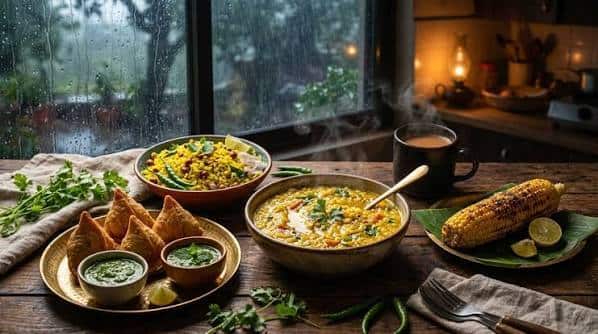
A bowl of steamed rice in West Bengal, dal-chawal in North India, curd rice in Tamil Nadu, biryani in Hyderabad or poha for breakfast may look like completely different meals, but they all begin with the same grain. Beyond India, rice appears in Japanese sushi, Chinese fried rice, Thai curries, Indonesian nasi goreng and countless dishes across Asia, Africa, Latin America and other parts of the world.
Rice became a staple food in many cultures because it combines several practical advantages. It can provide substantial dietary energy, grows successfully in suitable agricultural environments, can be dried and stored for long periods, and works with an enormous variety of flavours and ingredients. Generations of farmers, traders and cooks gradually built entire food cultures around it.
For India, rice is much more than an everyday carbohydrate. It is connected with agriculture, regional identity, festivals, traditional recipes and livelihoods. Understanding why rice became so important reveals how geography, farming, nutrition, storage and culture can shape what entire populations eat every day.
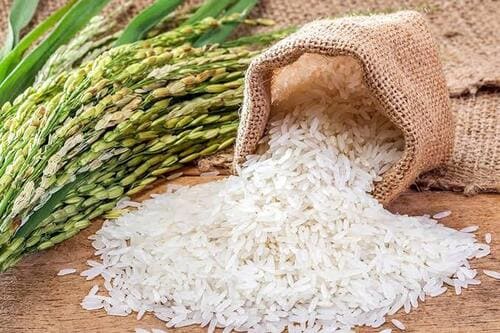
What Makes a Food a “Staple”?
A staple food is one that forms a regular and significant part of a population’s diet. It generally provides a substantial share of everyday energy and is eaten frequently rather than only on special occasions.
Different regions developed different staples depending largely on local growing conditions.
Examples include:
- Rice in large parts of Asia
- Wheat across many regions of India, West Asia and Europe
- Maize in parts of Africa and the Americas
- Cassava in several tropical regions
- Potatoes in some traditional diets
- Millets in many dry and semi-arid areas
Rice became particularly important where climate, water availability and farming systems made its cultivation practical.
Rice Grows Well in Many Important Agricultural Regions
One major reason for rice’s historical success is its suitability for warm growing conditions.
Rice cultivation is particularly associated with tropical and subtropical regions, although different varieties can grow under a wide range of conditions.
Many rice-growing regions have:
- Warm temperatures
- Seasonal rainfall
- Suitable soils
- River plains or deltas
- Established irrigation systems
- A long agricultural tradition
Monsoon-driven agriculture helped make rice especially important across South and Southeast Asia.
Over centuries, farmers also developed varieties adapted to local conditions, from irrigated plains to rain-fed fields and upland environments.
Why Rice Is So Important in India?
India’s food habits vary dramatically from one state to another. Wheat may dominate many meals in parts of northern and western India, while rice plays a much larger everyday role in numerous eastern, southern and northeastern regions.
Rice is deeply integrated into the cuisines of states including:
- West Bengal
- Odisha
- Assam
- Tamil Nadu
- Andhra Pradesh
- Telangana
- Kerala
- Karnataka
- Chhattisgarh
- Bihar
- Jharkhand
Even in predominantly wheat-eating regions, rice remains common in dishes such as pulao, biryani, kheer and khichdi.
India’s agricultural diversity has also produced a remarkable range of rice varieties, including aromatic, short-grain, long-grain, sticky and region-specific traditional varieties.
Rice Provides a Practical Source of Energy
Staple foods need to provide enough energy to support everyday activities, and rice performs this role effectively.
Rice is primarily a carbohydrate-rich food. Carbohydrates are broken down during digestion to provide glucose, which the body can use for energy.
Cooked rice also combines easily with nutrient-rich foods.
A typical Indian meal might pair rice with:
- Dal
- Rajma
- Chole
- Sambar
- Vegetables
- Curd
- Eggs
- Fish
- Chicken
- Meat
This is important because rice does not need to provide every nutrient on its own. Staple foods function as part of a broader diet.
Rice with dal, for example, creates a practical meal combining cereal and pulse proteins along with carbohydrates and other nutrients.
Dry Rice Can Be Stored for Long Periods
Storage has always been important in determining which crops become staples.
Fresh fruits and vegetables can deteriorate relatively quickly, while properly dried grains can remain usable for much longer when protected from moisture, insects and contamination.
Rice can be harvested, dried, processed and stored for later consumption.
This historically allowed households and communities to:
- Store food after harvest
- Maintain supplies between growing seasons
- Transport grain over long distances
- Build reserves for periods of shortage
- Trade surplus production
These advantages remain important today.
In Indian homes, dry rice can be stored conveniently in containers and cooked whenever required, making it a practical pantry ingredient.
Rice Is Extremely Versatile
Few foods can move as easily from breakfast to dinner and then become dessert.
Rice can be:
- Boiled
- Steamed
- Fried
- Ground into flour
- Fermented
- Flattened
- Puffed
- Made into batter
- Cooked with milk
- Combined with spices
This versatility allowed different cultures to adapt the grain to local tastes.
In India alone, rice appears in countless forms.
Everyday Rice Meals
Plain steamed rice provides a neutral base for dal, curry, sambar, rasam, fish and vegetables.
Biryani and Pulao
Rice can absorb the aromas of spices, herbs, vegetables and meat, making it ideal for layered and one-pot dishes.
Idli and Dosa
Rice combined with urad dal forms the foundation of fermented batters widely used in South Indian cuisine.
Poha
Flattened rice can be prepared quickly with onions, spices, peanuts, vegetables and other regional ingredients.
Puffed Rice
Murmura or puffed rice is used in snacks such as bhel and numerous regional preparations.
Rice Desserts
Kheer, payasam and other sweets demonstrate how easily rice works with milk, sugar, jaggery, nuts and spices.
A staple that can take so many forms is less likely to become monotonous.
Rice Has a Neutral Flavour
Rice’s relatively mild flavour is another major advantage.
Rather than dominating a dish, plain rice often carries the flavours of whatever accompanies it.
It can absorb:
- Curry gravies
- Dal
- Sambar
- Meat juices
- Spices
- Sauces
- Coconut-based preparations
This flexibility has allowed rice to fit cuisines with dramatically different flavour profiles.
The same basic grain can accompany a fiery Indian curry, delicate Japanese ingredients or an aromatic Thai dish.
Different Types of Rice Serve Different Purposes
Rice is not a single uniform product. Thousands of cultivated varieties exist, differing in aroma, grain length, starch characteristics, texture and cooking behaviour.
Common categories encountered by Indian consumers include:
Basmati Rice
Known for its long grains and distinctive aroma, basmati is particularly popular for biryani, pulao and special meals.
Short and Medium-Grain Rice
Many regional Indian cuisines prefer rice that becomes softer or slightly stickier after cooking.
Brown Rice
Brown rice retains the bran and germ layers that are largely removed during the production of white rice. It therefore generally contains more fibre and certain micronutrients than highly polished white rice.
Parboiled Rice
Parboiling involves treating rice before milling in a way that changes the grain’s characteristics and can help retain some nutrients.
The “best” rice therefore depends on the dish, budget, taste and nutritional requirements.
Rice Became Part of Cultural Identity
Staple foods become powerful cultural symbols because people eat them repeatedly over generations.
Rice has roles in ceremonies, religious practices, festivals, weddings and family traditions across India.
It may appear as:
- Akshat or rice grains used in Hindu rituals
- Kheer prepared during celebrations
- Pongal associated with the Tamil harvest festival
- Festive biryani at family gatherings
- Regional rice dishes prepared for religious occasions
- Traditional offerings and ceremonial meals
When a crop becomes connected to both daily survival and important celebrations, its significance extends far beyond nutrition.
Why Rice Remains Popular Despite Changing Diets?
Modern Indian consumers now have access to an enormous variety of foods, yet rice remains central to millions of meals.
Its popularity continues because it is:
- Familiar
- Widely available
- Easy to cook
- Compatible with many dishes
- Available at different price points
- Suitable for large family meals
- Easy to store in dry form
- Deeply connected to regional food traditions
Convenience matters as much today as it did historically. A pressure cooker or rice cooker can turn dry rice into the base of a complete meal with relatively little effort.
Is Eating Rice Every Day Healthy?
Rice can certainly be part of a balanced daily diet, but the overall meal matters.
A plate consisting almost entirely of polished white rice provides a different nutritional profile from one containing moderate rice alongside dal, vegetables, curd and another protein source.
For a more balanced rice-based meal:
- Include plenty of vegetables.
- Add pulses, beans, eggs, fish or another suitable protein source.
- Adjust portion sizes according to individual energy needs.
- Include whole grains and other cereals across the wider diet.
- Choose less-refined grain options when they suit your preferences and needs.
- Avoid depending on rice alone for nutrition.
People with diabetes or other conditions requiring individual carbohydrate management should follow advice appropriate to their health needs.
Rice and the Future of Food
Rice remains essential to global food security, but its production also faces challenges. Climate change, water availability, extreme weather and the need to feed growing populations are increasing pressure on agricultural systems.
Future rice farming will increasingly depend on:
- Water-efficient cultivation
- Climate-resilient varieties
- Better soil management
- Reduced post-harvest losses
- Improved agricultural technology
- Preservation of useful traditional varieties
Rice became a staple because generations learned how to grow, store and cook it efficiently. Keeping it accessible in the future will similarly require agriculture to continue adapting.
FAQs
Q1. Why is rice more common than wheat in many parts of South India?
A. Climate, rainfall, irrigation and centuries of agricultural tradition helped make rice cultivation particularly important across many southern regions. Food cultures then developed around the crops that were locally available, creating dishes such as idli, dosa, curd rice and numerous regional rice meals.
Q2. Is brown rice always healthier than white rice?
A. Brown rice generally contains more fibre and retains more components of the original grain, but that does not automatically make it the best choice for everyone. Taste, digestion, preparation, overall diet and individual nutritional requirements should also be considered.
Q3. Why does basmati rice smell different from regular rice?
A. Basmati contains naturally occurring aromatic compounds that give properly aged and cooked grains their characteristic fragrance. Its aroma, long grain and cooking properties are key reasons it is valued for dishes such as biryani and pulao.
Q4. Can rice be part of a weight-management diet?
A. Yes. Rice does not automatically cause weight gain. Overall calorie intake, portion size, preparation method and the foods eaten alongside it matter. Combining a sensible portion of rice with vegetables and protein-rich foods can make it part of a balanced meal.