You open the refrigerator expecting to use yesterday’s paneer, only to notice an unusual smell. A loaf of bread develops patches of mould, milk turns sour earlier than expected, or cooked dal left outside overnight no longer seems safe to eat. Food spoilage is a common household problem, particularly in India, where high temperatures and humidity during much of the year can speed up deterioration when food is stored incorrectly.
Food does not spoil for just one reason. Bacteria, yeasts and moulds can multiply, natural enzymes continue working after harvesting, fats react with oxygen, and moisture or temperature changes can affect texture and quality. Sometimes the signs are obvious—bad odour, discolouration or visible mould. At other times, harmful microorganisms may be present without producing noticeable changes.
Knowing what causes food to spoil and how to control those factors can help households reduce unnecessary food waste, protect food quality and, most importantly, lower the risk of foodborne illness.
What Does Food Spoilage Actually Mean?
Food spoilage refers to changes that make food unacceptable for normal consumption because its smell, flavour, appearance or texture has deteriorated.
Common signs include:
- Unpleasant or unusual odour
- Visible mould
- Unexpected colour changes
- Slimy surfaces
- Unusual softness or texture
- Gas formation or swollen packaging
- Unexpected sourness
- Separation or curdling in certain products
However, spoiled food and unsafe food are not exactly the same thing.
Spoilage microorganisms often create obvious changes that make people reject food. Some disease-causing microorganisms, however, may multiply without noticeably changing its smell, appearance or taste.
That is why looking at or smelling food cannot always determine whether it is safe.
1. Bacteria Are a Major Cause of Food Deterioration
Bacteria are microscopic organisms found throughout our environment. Some are useful—for example, particular bacteria are involved in making curd and other fermented foods. Others contribute to spoilage, while certain species can cause foodborne disease.
Food provides bacteria with nutrients, and many grow particularly well when moisture and temperature conditions are suitable.
Perishable foods requiring careful handling include:
- Milk and dairy products
- Cooked rice
- Meat and poultry
- Fish and seafood
- Cooked dals and curries
- Cut fruits and vegetables
- Gravies
- Prepared foods containing eggs
Keeping these foods at inappropriate temperatures for extended periods can encourage microbial growth.
2. Mould Can Grow on Many Foods
The fuzzy green, blue, black or white patches sometimes found on bread, fruit and other foods are usually mould.
Moulds are fungi that reproduce through tiny spores present in the environment. Under suitable moisture and temperature conditions, they can grow on food surfaces.
Mould commonly appears on:
- Bread
- Fruits
- Vegetables
- Cheese
- Jams
- Cooked leftovers
- Nuts and grains stored poorly
A common mistake is simply removing the visible mould and eating the remaining food. This is not always safe because mould can extend below the visible surface, particularly in soft or porous foods.
For many soft foods, discarding the affected product is the safer approach.
3. Yeasts Can Cause Unwanted Fermentation
Yeasts are extremely useful in controlled food production. They help make bread and are involved in various fermentation processes.
But when yeasts grow unintentionally, they can spoil food.
They are particularly capable of growing in some sugary and acidic foods, including:
- Fruit juices
- Syrups
- Jams
- Sauces
- Sweet beverages
Unwanted yeast activity can cause bubbling, gas production, unusual odours or changes in flavour.
The difference between fermentation and spoilage is control. In intentional fermentation, selected conditions and microorganisms are used to achieve a desired result. Random microbial growth in improperly stored food is not the same thing.
4. Enzymes Naturally Change Food Over Time
Microorganisms are not responsible for every form of deterioration.
Fruits and vegetables contain natural enzymes that remain active after harvesting. These enzymes contribute to ripening but can eventually lead to excessive softening, browning and loss of quality.
Consider a banana. It gradually changes from firm and green to yellow, soft and sweet. Eventually, it becomes very soft and develops dark areas.
Enzymatic changes can affect:
- Colour
- Texture
- Aroma
- Flavour
- Nutritional characteristics
Temperature control can slow many of these processes, which is one reason refrigeration helps extend the usable life of suitable fruits and vegetables.
5. Oxygen Can Cause Oxidation
Exposure to oxygen can trigger chemical reactions in food.
One familiar example is a cut apple turning brown after being exposed to air. Another is oil or fatty food developing a stale or rancid smell after prolonged storage.
Oxidation can affect:
- Cooking oils
- Nuts and seeds
- Namkeen and fried snacks
- Spices
- Cut fruits
- Foods containing substantial amounts of fat
Keeping susceptible foods in well-sealed containers and protecting them from unnecessary exposure to heat and light can slow deterioration.
6. Moisture Has a Major Effect on Shelf Life
Microorganisms generally need available water for growth. Foods with high moisture content therefore often spoil more quickly than dry foods when other conditions are favourable.
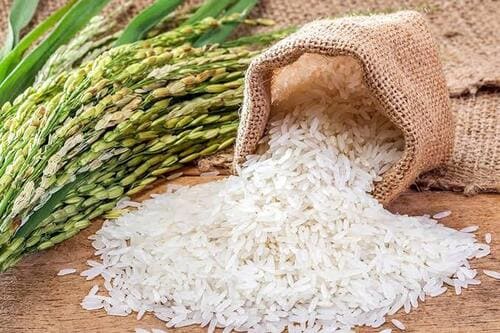
Fresh milk, cooked dal and cut fruit are much more perishable than dry rice or properly stored flour.
However, dry foods are not completely protected. If they absorb moisture during India’s humid or monsoon conditions, they may become vulnerable to mould, insects, clumping or loss of crispness.
Dry foods should therefore be stored in:
- Clean containers
- Dry locations
- Properly closed packaging
- Areas protected from moisture and pests
Never use a wet spoon to remove ingredients from containers holding dry foods.
7. Temperature Can Speed Up Spoilage
Temperature is one of the most important factors controlling food deterioration.
Warm conditions can encourage the growth of many microorganisms and accelerate chemical reactions. This is especially relevant during Indian summers, when room temperatures may become very high.
Refrigeration slows many microorganisms and deterioration processes, but it does not stop them completely.
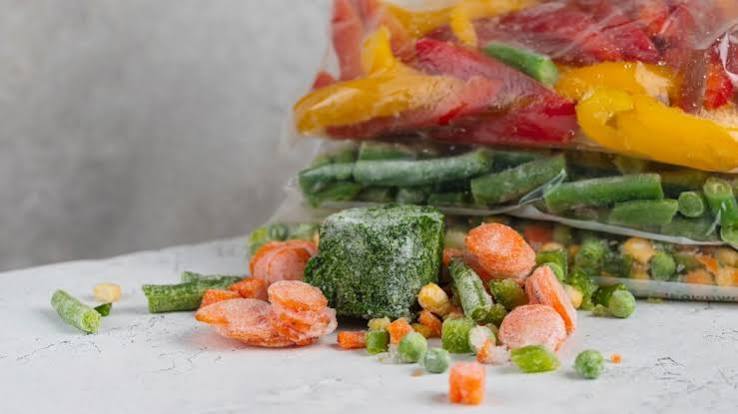
Freezing slows microbial growth even further, although some microorganisms can survive freezing and become active again after thawing.
The key point is simple: cold storage slows deterioration; it does not make food permanently safe.
8. Poor Handling Can Contaminate Food
Sometimes food spoils faster because microorganisms are introduced during handling.
Common kitchen practices that can increase contamination include:
- Touching cooked food with unwashed hands
- Using the same chopping board for raw meat and ready-to-eat food without proper cleaning
- Using dirty utensils
- Putting a used spoon back into a jar
- Leaving containers uncovered
- Allowing raw food juices to contact cooked food
- Using wet spoons in chutneys, pickles or dry ingredients
Good kitchen hygiene is therefore just as important as refrigeration.
How Refrigeration Helps Prevent Food Spoilage
A refrigerator slows microbial growth and many chemical and enzymatic reactions.
To use it effectively:
- Keep perishable foods refrigerated promptly.
- Store leftovers in clean, covered containers.
- Avoid overcrowding the refrigerator to the point that cold air cannot circulate effectively.
- Keep raw meat and seafood separated from ready-to-eat foods.
- Clean spills promptly.
- Follow storage instructions printed on packaged products.
- Check that the refrigerator is maintaining a suitably cold temperature.
Do not assume that placing already badly spoiled food in the refrigerator will make it safe again.
How to Store Dry Foods Correctly
Indian kitchens commonly keep rice, atta, dal, spices and other dry ingredients in larger quantities, making proper storage particularly important.
For better storage:
- Use clean, dry, food-grade containers.
- Close lids properly after every use.
- Keep containers away from water and excessive heat.
- Check grains periodically for insects or mould.
- Avoid mixing a new packet directly into an old batch without checking the remaining food.
- Rotate stock so older food is used first.
- Keep storage shelves clean and dry.
Buying quantities that match household consumption can also reduce long-term storage problems.
Safe Handling of Cooked Leftovers
Leftovers can save both money and preparation time, but they require careful handling.
Avoid leaving cooked food sitting at room temperature for long periods, particularly during warm weather.
Good practices include:
- Refrigerating perishable leftovers promptly.
- Dividing very large quantities into smaller containers so they cool more efficiently.
- Keeping food covered during storage.
- Reheating the portion you intend to eat.
- Reheating food thoroughly and evenly.
- Avoiding repeated cycles of warming, cooling and reheating.
- Discarding food when its storage history is uncertain.
Cooked rice deserves particular care because certain bacterial spores can survive cooking and create problems if rice is then held improperly.
Can Preservatives Stop Food from Spoiling?
Preservatives can extend shelf life, but they cannot make food indestructible.
Different preservation techniques control different causes of deterioration. Food manufacturers may use combinations of:
- Refrigeration or freezing
- Heat processing
- Drying
- Salt or sugar
- Acidification
- Fermentation
- Approved food preservatives
- Vacuum or protective packaging
Combining several methods can provide stronger protection than depending on only one.
How to Tell If Food Should Be Thrown Away
Visible signs of spoilage are useful warnings, but remember that dangerous microorganisms do not always announce their presence.
Discard food when appropriate if you notice:
- Unexpected mould
- Unusual sliminess
- Clearly abnormal smell
- Major unexpected colour or texture changes
- Leaking or swollen packaging
- Unexplained bubbling in a non-fermented product
- Signs that refrigerated food has been left warm for an unsafe period
Do not taste suspicious food as a test of safety.
When you cannot establish how a highly perishable food was stored, taking a cautious approach is generally better than risking foodborne illness.
FAQs
Q1. Why does milk spoil so quickly when left outside in summer?
A. Milk contains plenty of water and nutrients that microorganisms can use. Warm temperatures can encourage microbial multiplication, which is why milk and many dairy products require appropriate refrigeration and handling.
Q2. Can I remove mould from bread and eat the unaffected slices?
A. It is safer to discard mouldy bread. Bread is porous, and mould growth can extend beyond the area that is easily visible. Removing only the coloured patch may not remove all affected material.
Q3. Why do biscuits and namkeen become soft during the monsoon?
A. High humidity allows dry foods to absorb moisture from the air. This can destroy their crisp texture and may eventually contribute to deterioration. Store them in tightly closed containers and keep them away from moisture.
Q4. Is food safe if it smells normal after being left outside for several hours?
A. Not necessarily. Some harmful microorganisms can multiply without producing an obvious bad smell, taste or appearance. Food safety should be based on proper time, temperature and storage practices rather than smell alone.