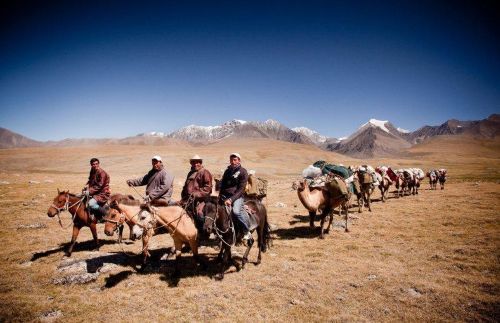
For earlier generations, professional success was often closely connected to settling in one city, commuting to the same office and building a life around a permanent workplace. Today, a young professional may attend a morning meeting from Bengaluru, spend the next month working from Goa and later move temporarily to a quieter hill town. For some remote workers, freelancers and entrepreneurs, work is becoming less connected to one permanent location.
This has increased interest in the nomadic lifestyle, particularly among young professionals whose jobs can be performed through a laptop and reliable internet connection. Instead of maintaining one permanent base throughout the year, they may live in different cities or destinations for weeks or months while continuing to work.
The appeal is easy to understand: greater freedom, new experiences, flexible living arrangements and the possibility of combining work with travel. However, nomadic living is not a permanent holiday. It requires reliable connectivity, financial planning, self-discipline and the ability to remain productive without a conventional office routine.
Nomadic Lifestyle for Professionals: Quick Overview
| Factor | Traditional Work Lifestyle | Nomadic Lifestyle |
|---|---|---|
| Work Location | Usually fixed | Changes periodically |
| Housing | Long-term residence | Short or medium-term stays |
| Travel | Mainly holidays/business trips | Integrated into daily life |
| Flexibility | Depends on employer | Usually greater |
| Routine | More predictable | Frequently changes |
| Social Network | Easier to maintain locally | More distributed |
| Work Setup | Permanent | Portable |
| Expenses | More predictable | Can fluctuate |
| Exploration | Limited by leave | Can happen alongside work |
| Internet Dependence | Important | Essential |
| Stability | Generally higher | Lower |
| Best Suited To | Location-dependent roles | Remote-compatible work |
Remote Work Has Made Location Less Important
The biggest factor behind professional nomadism is the ability to work remotely.
Many digital jobs primarily require:
- A laptop
- Reliable internet
- Communication tools
- Access to cloud-based systems
- A suitable workspace
Professionals working in areas such as software development, design, digital marketing, content, consulting and certain entrepreneurial activities may not always need to be physically present in a traditional office.
Once work is no longer tied to a particular desk, a natural question emerges:
If I can work from anywhere, why must I live in the same place throughout the year?
For some professionals, that question becomes the starting point for a location-flexible lifestyle.
Freedom Is One of the Biggest Attractions
A nomadic lifestyle gives people more choice over where they spend their time.
Instead of waiting for a short annual holiday, a professional might spend several weeks living near the coast or in a culturally interesting city while continuing to work during normal hours.
The experience is different from tourism.
A tourist may try to see everything in three days.
A nomadic worker can stay longer and develop a normal routine involving work, groceries, exercise, cafés and local exploration.
This slower style of travel can provide a deeper understanding of a destination.
Young Professionals Increasingly Value Experiences
Traditional measures of success often focused heavily on possessions—buying a home, vehicle or other major assets.
While these goals remain important for many Indians, some younger professionals also place significant value on experiences.
They may prefer spending discretionary income on:
- Travel
- Learning
- Food experiences
- Outdoor activities
- Cultural events
- Meeting new people
A nomadic lifestyle fits this preference because travel becomes part of normal life rather than an occasional reward after months of work.
However, experiences and financial security do not need to compete. A sustainable nomadic lifestyle still requires savings and long-term planning.
It Offers an Escape From Repetitive Urban Routines
Large Indian cities offer excellent career opportunities, but everyday routines can become tiring.
Professionals may spend significant time dealing with:
- Traffic
- Long commutes
- Crowded public transport
- High rent
- Pollution
- Limited personal space
Remote work can allow some people to temporarily step away from this routine.
A professional may choose a smaller city or town with a shorter commute, quieter environment or more access to nature.
The important point is that changing location does not remove professional responsibilities.
Deadlines, meetings and client expectations continue even when the view outside the window improves.
Nomadic Living Can Sometimes Reduce Certain Costs
Leaving an expensive metropolitan location may reduce housing expenses in some circumstances.
However, nomadic living is not automatically cheaper.
Short-term accommodation can cost more than a long-term lease.
Additional expenses may include:
- Flights or trains
- Local transport
- Coworking spaces
- Eating out
- Laundry
- Travel insurance
- Mobile data backups
- Accommodation deposits
Frequent movement can make the lifestyle surprisingly expensive.
Professionals interested in saving money may find slow travel more practical—staying in one place for several weeks or months rather than changing cities every few days.
Minimalism Becomes Practical
Constant movement naturally discourages excessive possessions.
Everything you own either needs to travel with you or remain stored somewhere.
This encourages people to think carefully before buying:
“Do I really want to carry this?”
A nomadic professional may gradually prioritise:
- Fewer clothes
- Multipurpose items
- Lightweight electronics
- Digital documents
- Compact personal belongings
For people attracted to minimalist living, this can feel liberating.
The focus shifts from owning more things to maintaining a smaller collection of useful possessions.
New Places Can Encourage Creativity
Changing environments can introduce professionals to different people, cultures, food, architecture and ways of working.
This can be especially valuable for people in creative or problem-solving roles.
A designer may notice different visual styles. A writer may discover new subjects. An entrepreneur may observe a business model that works differently in another region.
However, constant travel can also reduce concentration.
Novel surroundings are stimulating, but they can become distracting.
The ideal balance often involves staying somewhere long enough to establish a normal working rhythm.
Self-Discipline Becomes Essential
Without a conventional office, there may be nobody physically watching whether you begin work at 9 AM.
That sounds freeing until the beach, café or sightseeing plan becomes more attractive than the spreadsheet waiting on your laptop.
Successful nomadic workers usually create boundaries.
They may:
- Set fixed working hours.
- Plan sightseeing outside work time.
- Use coworking spaces.
- Maintain task lists.
- Schedule focused work periods.
- Keep meetings organised across time zones.
Location independence works only when professional reliability remains intact.
Internet Becomes Essential Infrastructure
A beautiful destination is not a useful remote-work location if video calls disconnect every five minutes.
Before choosing accommodation, professionals should investigate:
- Wi-Fi quality
- Mobile network coverage
- Power reliability
- Workspace availability
- Backup internet options
It can be useful to carry mobile data from a reliable network as a backup rather than depending entirely on hotel or homestay Wi-Fi.
People handling confidential company or client information should also follow appropriate cybersecurity practices when using shared or public networks.
Work-Life Boundaries Can Become Complicated
Nomadic living appears to combine work and travel, but sometimes it creates the opposite problem: neither feels complete.
During work, you may feel that you should be exploring.
While exploring, you may worry about unfinished work.
Separating the two can help.
A simple routine might look like:
- Morning: exercise and breakfast
- Daytime: focused work
- Evening: local exploration
- Weekend: longer activities
This turns the destination into a place you are temporarily living rather than somewhere you must experience every hour.
Loneliness Can Be a Real Challenge
Constantly meeting new people sounds exciting, but repeated departures can make relationships temporary.
Friends and family remain elsewhere, while people you meet during travel may leave within days.
Nomadic professionals can reduce isolation through:
- Coworking spaces
- Sports
- Hobby groups
- Community events
- Regular family calls
- Periodic visits home
Some people thrive on constant social change.
Others eventually realise that they value a stable community more than geographic freedom.
Both preferences are valid.
Practical and Administrative Responsibilities Remain
Location flexibility does not remove legal, financial or professional responsibilities.
Professionals still need to consider matters such as:
- Taxes
- Banking
- Insurance
- Employer policies
- Contracts
- Documentation
- Healthcare access
International nomads may also face visa, immigration, tax-residency and work-permission requirements.
Remote work should never be assumed to be automatically permitted simply because someone can technically perform their job from another location.
Slow Nomadism Can Be More Sustainable
Moving every week may look exciting on social media, but it can become exhausting.
Packing, checking in, finding transport and repeatedly locating groceries, gyms and workspaces consume time.
Many professionals therefore prefer staying in one destination for one to three months.
Longer stays can provide:
- Better accommodation rates
- More stable routines
- Local friendships
- Less travel fatigue
- Greater productivity
The objective is not to visit the maximum number of places.
It is to create a lifestyle that combines professional responsibility with meaningful mobility.
The Nomadic Lifestyle Is Not for Everyone
This lifestyle can be appealing, but it involves trade-offs.
It may be suitable for people who:
- Have genuinely location-flexible work.
- Enjoy adapting to new environments.
- Can work independently.
- Maintain financial discipline.
- Are comfortable with some uncertainty.
- Do not need a permanent office setup.
It may be less suitable for people who strongly value routine, local community, permanent housing or jobs requiring physical presence.
For many young professionals, the most practical solution may eventually be a hybrid lifestyle: maintaining a home base while spending part of the year working from other locations.
Freedom does not necessarily mean never having a permanent address. Sometimes it simply means having greater choice over where and how you work.
FAQs
Q1. Is a nomadic lifestyle cheaper than living permanently in a metro city?
A. It can be in some locations, but not always. Short-term accommodation, transport, coworking spaces and frequent travel can increase expenses. Staying longer in each destination generally makes budgeting easier.
Q2. Which jobs are most suitable for a nomadic lifestyle?
A. Jobs that can be performed securely through a computer and internet connection are generally more compatible. Examples may include software, design, digital marketing, writing and certain consulting or entrepreneurial roles, depending on employer and client requirements.
Q3. How long should a digital nomad stay in one location?
A. There is no fixed rule, but longer stays can make working and budgeting easier. Staying several weeks or months allows time to establish a routine instead of constantly packing and travelling.
Q4. Can an employee work remotely from any country if the company allows remote work?
A. Not automatically. Working from another country can involve immigration, visa, tax, employment, insurance and data-security considerations. Employees should obtain employer approval and check applicable requirements before travelling.