For most people, eating peanuts, milk, eggs or prawns is completely routine. For someone with a food allergy, however, even a small amount of a particular food can sometimes trigger symptoms ranging from itching and hives to breathing difficulty and a potentially life-threatening reaction. The surprising part is that the food itself may be harmless to most people—the problem is how one person’s immune system responds to it.
Food allergies occur when the immune system mistakenly identifies a normally harmless food component, usually a protein, as a threat. It then launches a defensive reaction, releasing chemicals that cause allergy symptoms. Why this happens to some people and not others is influenced by genetics, immune-system development, environmental factors and the nature of the allergen.
In India, awareness of food allergies is becoming increasingly important as people eat a wider variety of packaged, restaurant and international foods. Understanding the difference between an allergy and an intolerance, recognising warning signs and knowing how to avoid accidental exposure can make everyday eating considerably safer.
What Exactly Happens During a Food Allergy?
Your immune system normally protects you from harmful organisms and substances. In a food allergy, that defence system reacts unnecessarily to a particular food protein.
In many immediate food allergies, the body produces antibodies called immunoglobulin E (IgE) against the allergen.
After sensitisation has occurred, eating the food again can trigger an immune response. Cells release chemicals such as histamine, which can produce symptoms in the skin, digestive system, respiratory system or cardiovascular system.
This explains why an allergic reaction can involve much more than an upset stomach.
Why Do Only Some People Develop Food Allergies?
There is no single explanation for every food allergy. Usually, several factors influence a person’s likelihood of developing one.
Genetics Can Affect Allergy Risk
Allergic conditions can run in families. Someone with a family history of allergies, asthma or eczema may have a greater tendency to develop allergic disease.
However, genes do not determine exactly what will happen.
A parent with a peanut allergy does not necessarily have a child with the same allergy. The child may develop another allergic condition—or none at all.
Genetics influences susceptibility rather than guaranteeing a specific outcome.
The Immune System Learns to Treat a Food as Harmful
Before an allergic reaction occurs, the immune system generally becomes sensitised to the allergen.
During sensitisation, the body begins recognising a particular food protein as a threat and develops an immune response against it.
When the food is encountered again, the immune system may react rapidly.
This helps explain why someone can apparently eat a food previously and later experience an allergic reaction. Sensitisation and clinical symptoms do not necessarily appear at the same moment.
Which Foods Commonly Cause Allergic Reactions?
Many foods can potentially trigger an allergy, but certain foods account for a large proportion of reactions.
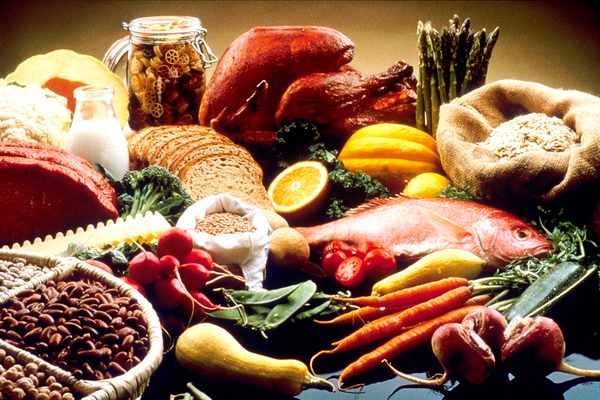
Common food allergens include:
- Milk
- Eggs
- Peanuts
- Tree nuts such as cashews, almonds and walnuts
- Wheat
- Soy
- Fish
- Shellfish such as prawns and crab
- Sesame
For Indian consumers, allergen awareness is particularly important because ingredients such as milk, nuts, wheat and sesame are widely used in sweets, bakery products, gravies, snacks and traditional dishes.
A person with a serious allergy therefore needs to consider not only obvious ingredients but also hidden ingredients and cross-contact.
What Are the Symptoms of a Food Allergy?
Symptoms can appear soon after eating in many IgE-mediated allergies, although timing varies depending on the type of allergic reaction.
Possible symptoms include:
- Itching or tingling in the mouth
- Hives or an itchy skin rash
- Swelling of the lips, face, tongue or throat
- Abdominal pain
- Vomiting
- Diarrhoea
- Coughing or wheezing
- Difficulty breathing
- Dizziness or faintness
The type and severity of symptoms can differ considerably between people.
Importantly, having a mild reaction previously does not guarantee that every future reaction will also be mild.
What Is Anaphylaxis?
Anaphylaxis is a severe, potentially life-threatening allergic reaction that requires immediate treatment.
It can affect several body systems and may progress rapidly.
Warning signs can include:
- Difficulty breathing
- Tightness or swelling in the throat
- Wheezing
- Sudden weakness or collapse
- Significant dizziness
- Widespread allergic symptoms involving multiple systems
People who have been prescribed an adrenaline (epinephrine) auto-injector should follow their individual emergency plan and use it as instructed when anaphylaxis is suspected. Emergency medical assistance should also be sought immediately.
Antihistamines are not a substitute for adrenaline in treating anaphylaxis.
Food Allergy vs Food Intolerance: What Is the Difference?
These terms are often confused, but they describe different problems.
Food Allergy
A food allergy involves the immune system.
Even a relatively small quantity of an allergen may cause a reaction in some people, and severe reactions can occur.
Food Intolerance
Food intolerance generally does not involve the same allergic immune mechanism.
A familiar example is lactose intolerance. People with lactose intolerance have difficulty digesting lactose, the natural sugar in milk, because they have insufficient activity of the enzyme lactase.
Symptoms may include:
- Bloating
- Gas
- Abdominal discomfort
- Diarrhoea
These symptoms can be unpleasant, but lactose intolerance is fundamentally different from an IgE-mediated milk allergy.
Someone who reacts badly to a food should therefore avoid diagnosing the problem simply as an “allergy” without appropriate medical assessment.
Can Children Outgrow Food Allergies?
Some childhood food allergies are more likely to resolve over time than others.
Allergies to milk or egg, for example, may disappear in some children as they grow. Peanut, tree-nut, fish and shellfish allergies are more likely to persist, although individual outcomes vary.
Parents should not test whether an allergy has disappeared by giving the child the food at home without medical guidance.
An allergist may use medical history, testing and, where appropriate, a medically supervised oral food challenge to determine whether an allergy remains.
Can Adults Suddenly Develop a Food Allergy?
Yes. Food allergies are often associated with childhood, but they can also begin during adulthood.
An adult may develop an allergy to a food they previously ate without obvious difficulty.
Potential adult-onset allergens include seafood and other foods, although practically any food can cause an allergic reaction.
If repeated symptoms occur after eating a particular food, medical evaluation is more reliable than eliminating multiple foods based only on suspicion.
How Are Food Allergies Diagnosed?
There is no single test that should be interpreted in isolation.
A doctor or allergy specialist may consider:
- Detailed history of the reaction
- Foods eaten before symptoms appeared
- Amount consumed
- Timing of symptoms
- Previous reactions
- Other allergic conditions
- Skin-prick testing where appropriate
- Specific IgE blood tests
- Supervised oral food challenge in selected cases
An oral food challenge performed under medical supervision can be particularly useful when the diagnosis is uncertain.
Commercial “food sensitivity” tests are not automatically equivalent to medically validated allergy testing.
Why Reading Food Labels Is Important
For someone with a diagnosed food allergy, ingredient labels are an important safety tool.
Packaged products can contain allergens in unexpected forms. Milk ingredients may appear in bakery products, nuts may be used in sweets and gravies, and sesame may be present in sauces, snacks or toppings.
When buying packaged food:
- Read the complete ingredient list.
- Check allergen declarations and warnings.
- Recheck labels even on familiar products because formulations can change.
- Do not rely only on the product name or front-of-pack image.
- Contact the manufacturer if essential allergen information is unclear.
Indian packaged foods are subject to applicable FSSAI labelling requirements, including requirements relating to allergen declarations.
Cross-Contact Can Cause Accidental Exposure
Avoiding an allergen is not always as simple as ordering a dish without that ingredient.
Cross-contact happens when an allergen is unintentionally transferred from one food to another.
For example, a restaurant may use:
- The same spoon for different gravies
- The same frying oil
- A shared chopping board
- Common preparation surfaces
- Shared utensils or storage containers
This can be particularly important for people with severe allergies.
When eating outside, clearly explain the allergy to restaurant staff rather than simply saying you “don’t like” an ingredient.
Should You Avoid Foods to Prevent an Allergy?
People should not unnecessarily remove major food groups from their diet simply because they are worried about developing an allergy.
Unsupervised elimination diets can create nutritional problems, particularly for children.
If a food is genuinely suspected of causing allergic symptoms, medical evaluation can help identify whether avoidance is necessary and what suitable alternatives are available.
For babies and young children, recommendations regarding the introduction of allergenic foods have changed over time. Parents of children at increased allergy risk should discuss appropriate introduction with a paediatrician or allergy specialist rather than relying on outdated avoidance advice.
Living Safely With a Food Allergy
A diagnosed food allergy requires preparation rather than panic.
Practical steps include:
- Know the exact foods that need to be avoided.
- Learn alternative names for the allergen.
- Read packaged-food labels every time.
- Inform restaurants clearly about serious allergies.
- Be aware of cross-contact risks.
- Carry prescribed emergency medication as instructed.
- Ensure family members, caregivers or teachers understand the emergency plan.
- Do not experiment with suspected allergens at home after a serious reaction.
With proper diagnosis and planning, most people with food allergies can maintain a varied and enjoyable diet while reducing the risk of accidental reactions.
FAQs
1. Can a food allergy appear even if I have eaten that food safely for years?
Yes. Food allergies can develop later in life, so previous tolerance does not completely rule out a new allergy. If you repeatedly develop symptoms after eating a particular food, consult a qualified medical professional rather than testing larger amounts yourself.
2. Can cooking destroy food allergens?
Not reliably. Heating can alter some proteins, but many allergens can remain capable of triggering reactions after cooking. A person with a diagnosed allergy should not assume that fried, boiled or baked versions of the allergenic food are safe unless specifically advised by an allergy specialist.
3. Is lactose intolerance the same as milk allergy?
No. Lactose intolerance is primarily a digestive problem involving difficulty breaking down lactose. Milk allergy involves an immune reaction to milk proteins and can potentially cause serious allergic symptoms. The management of the two conditions is therefore different.
4. What should I do if someone suddenly has trouble breathing after eating?
Difficulty breathing, throat swelling, collapse or other signs of a severe allergic reaction require immediate emergency attention. If the person has a prescribed adrenaline auto-injector, use it according to their emergency plan and seek urgent medical help. Do not wait for symptoms to disappear on their own.