Fermentation has been part of Indian kitchens for generations, even though most people may not think about the science behind it. When idli or dosa batter is left overnight and becomes light and slightly sour, milk turns into curd, or vegetables develop a tangy flavour during traditional preservation, microorganisms are quietly transforming the food.
Before refrigerators and modern packaging became common, fermentation was one of the practical methods communities used to make certain foods last longer while also creating new flavours, textures and aromas. The basic idea is surprisingly simple: beneficial microorganisms use components of food, especially sugars, and produce substances such as acids, alcohol or gases. These changes can make conditions less favourable for many organisms responsible for spoilage.
However, fermentation is not simply “leaving food outside until it changes.” Successful food fermentation depends on the right microorganisms, temperature, salt level, acidity, time and hygiene. Understanding how the process works makes it easier to see why foods such as curd, idli, dosa, dhokla and fermented vegetables have remained important in food cultures for centuries.
What Happens During Fermentation?
Food naturally contains nutrients that microorganisms can use for growth. During fermentation, selected or naturally occurring microorganisms such as bacteria and yeasts break down carbohydrates, particularly sugars.
Depending on the microorganism and food, this activity may produce:
- Organic acids, including lactic acid
- Alcohol
- Carbon dioxide
- Various flavour and aroma compounds
These products change the original food. Acids lower its pH, gases can make a batter rise, and other compounds create characteristic flavours and aromas.
For example, when idli batter ferments, microbial activity changes the batter’s acidity and creates gases. This contributes to the soft, airy texture associated with properly prepared idlis.
Fermentation is therefore both a biological process and a method of food transformation.
The Role of Microorganisms in Fermentation
Different microorganisms perform different jobs. The three groups commonly associated with food fermentation are bacteria, yeasts and moulds.
Lactic Acid Bacteria
Lactic acid bacteria are particularly important in many fermented foods. They convert sugars into lactic acid.
As lactic acid accumulates:
- The food becomes more acidic.
- Its flavour may become pleasantly sour.
- The lower pH can inhibit many undesirable microorganisms.
Lactic acid fermentation is important in products such as curd and many fermented vegetables.
Yeasts
Yeasts consume sugars and can produce alcohol and carbon dioxide.
Carbon dioxide is especially useful in foods where fermentation contributes to a light or aerated texture. Yeasts are widely associated with bread and alcoholic fermentation and can also participate in mixed microbial communities in some traditional foods.
Moulds
Certain controlled food fermentations use specific beneficial moulds. These microorganisms can help break down complex food components and develop distinctive textures and flavours.
This should not be confused with random mould growing on spoiled food. Visible mould appearing unexpectedly on food is not evidence that beneficial fermentation is taking place.
Why Does Fermentation Preserve Food?
The preservation effect of fermentation does not usually come from a single factor. Instead, microbial activity changes the food environment in ways that can make survival and growth more difficult for competing spoilage organisms and some pathogens.
1. Fermentation Can Increase Acidity
One of the most important mechanisms is acid production.
Lactic acid bacteria convert carbohydrates into acids, lowering the pH of the food. Many undesirable microorganisms grow poorly once conditions become sufficiently acidic.
Think of it as beneficial microorganisms changing the environment before unwanted microbes can dominate it.
This is one reason properly controlled fermented foods can remain stable for longer than their unfermented ingredients under appropriate storage conditions.
2. Beneficial Microorganisms Compete for Nutrients
Microorganisms need nutrients to multiply. During successful fermentation, desirable microbes become established and consume available nutrients.
They can therefore compete with unwanted microorganisms for:
- Sugars
- Minerals and other nutrients
- Space within the food
- Suitable environmental conditions
This competitive microbial environment can contribute to preservation.
3. Some Fermentations Produce Alcohol
In alcoholic fermentation, yeast converts sugars into ethanol and carbon dioxide.
Alcohol can inhibit the growth of various microorganisms when present at sufficient concentrations. This contributes to the stability of certain traditionally fermented beverages and foods.
Not every fermented food contains meaningful quantities of alcohol, however. Curd and fermented batter, for instance, should not be treated the same as alcoholic fermentation.
4. Fermentation Creates Other Antimicrobial Conditions
Some fermentation organisms produce compounds beyond the main acids or alcohol. Certain lactic acid bacteria, for example, can produce antimicrobial substances that inhibit competing microorganisms.
The preservation effect may therefore involve several barriers operating together, including:
- Low pH
- Salt, where used
- Competition between microorganisms
- Antimicrobial compounds
- Reduced availability of certain nutrients
- Alcohol in applicable fermentations
Why Salt Is Important in Some Fermented Foods
Salt is commonly used when fermenting vegetables because it helps create conditions that favour desirable fermentation while discouraging many unwanted microorganisms.
Salt can draw water from vegetables through osmosis, helping create a brine. Proper brining can support salt-tolerant lactic acid bacteria while making conditions harder for some competing microbes.
However, the amount matters.
Too little salt may fail to provide the intended selective environment, while excessive salt can slow desirable fermentation and make the final food unnecessarily salty.
For home fermentation, it is better to follow a tested recipe with measured ingredient quantities rather than estimating salt levels.
Fermentation vs Pickling: Are They the Same?
Fermentation and pickling are often used interchangeably in everyday conversation, particularly when discussing achar, but scientifically they are not always the same process.
Fermentation relies on microorganisms to produce acids or other compounds that transform the food.
Acid pickling, on the other hand, can involve adding an acid such as vinegar directly to food. The acidity comes primarily from an ingredient rather than being generated through microbial fermentation.
Some traditional preserved foods can involve a combination of salt, acidification, fermentation, oil, drying or other preservation techniques.
So, not every pickle is necessarily a fermented food.
Common Fermented Foods in Indian Kitchens
India has a rich tradition of fermented foods, with preparation methods varying considerably between regions.
Idli and Dosa Batter
Rice and urad dal are soaked, ground and allowed to ferment. Microbial activity increases acidity and helps develop the characteristic texture and flavour of the batter.
Fermentation contributes to:
- Slight sourness
- Batter aeration
- Soft idlis
- Characteristic dosa flavour
Curd or Dahi
Curd is produced when lactic acid bacteria ferment lactose in milk and generate lactic acid.
As acidity increases, milk proteins coagulate, giving curd its familiar thick texture and tangy taste.
Dhokla and Other Fermented Batters
Traditional fermented batters used for foods such as dhokla develop acidity and flavour during resting and fermentation. Preparation techniques can differ by household and recipe.
Fermented Vegetables
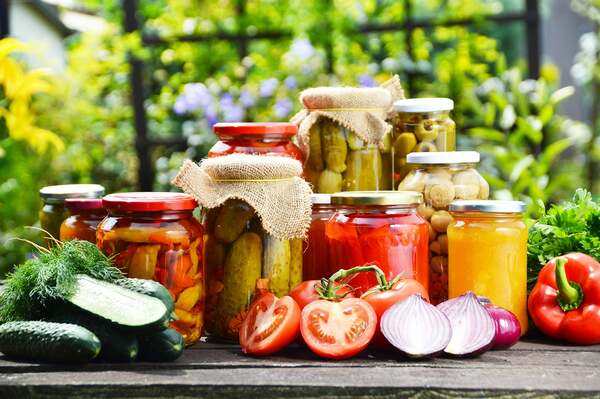
Vegetables can undergo lactic acid fermentation under carefully controlled salt and storage conditions. Similar preservation traditions exist in many parts of the world.
Fermentation Can Change More Than Shelf Life
Preservation is only one reason humans have used fermentation for centuries. Fermentation can substantially alter the sensory and nutritional characteristics of food.
Depending on the food and fermentation process, it may:
- Develop new flavours and aromas
- Soften or modify texture
- Break down certain carbohydrates
- Change the availability of some nutrients
- Reduce certain naturally occurring antinutritional compounds
- Produce compounds generated through microbial metabolism
The nutritional effect varies significantly between foods. It is therefore better to evaluate individual fermented foods rather than assuming that every fermented product automatically has the same health benefits.
Does Fermented Food Last Forever?
No. Fermentation can improve the keeping quality of certain foods, but it does not make food permanently safe.
Fermented foods can still spoil because of:
- Incorrect fermentation conditions
- Contamination from dirty utensils or containers
- Improper temperature
- Inadequate acidity or salt
- Exposure to air where anaerobic conditions are required
- Poor storage after fermentation
Even successfully fermented foods may require refrigeration once they reach the desired stage.
Important Food Safety Tips for Home Fermentation
Fermentation should be controlled rather than improvised, particularly when preparing foods for long-term storage.
Keep these points in mind:
- Wash your hands, utensils and fermentation containers properly.
- Use fresh ingredients without signs of spoilage.
- Follow a tested recipe rather than guessing salt, water or acid quantities.
- Use food-grade containers suitable for fermentation.
- Maintain the recommended temperature for the specific food.
- For vegetable fermentation, keep ingredients properly submerged when the recipe requires it.
- Refrigerate the finished product when recommended.
- Do not assume unusual smells, colours or visible mould are normal fermentation.
- Discard food when there are clear signs of unsafe spoilage or when you are uncertain about how it was fermented.
A familiar sour smell can be normal for certain fermented foods, but smell alone cannot reliably prove that a food is safe.
Why Fermentation Remains Useful Today
Modern refrigeration has greatly reduced our dependence on fermentation purely for preservation, but the technique remains highly relevant.
For Indian households, fermentation continues to be valuable because it can transform inexpensive everyday ingredients into foods with distinctive flavours and textures. A simple mixture of rice and dal can become idli or dosa batter, while milk can be transformed into curd through microbial activity.
Commercial food producers also use controlled fermentation, where factors such as temperature, microbial cultures, acidity and processing time can be carefully monitored. This provides greater consistency than relying entirely on uncontrolled environmental microorganisms.
Fermentation therefore represents an interesting combination of traditional food knowledge and microbiology. What earlier generations learned through repeated observation can now be explained scientifically: under suitable conditions, desirable microorganisms transform food and create an environment that can help suppress many competing spoilage organisms.
FAQs
1. Why does idli or dosa batter sometimes fail to ferment in winter?
Low temperatures slow microbial activity, so batter can take considerably longer to ferment during cold weather. Keeping the batter in a comfortably warm location can help, but excessive heat should also be avoided because it can negatively affect fermentation.
2. Is fermented food automatically safe to eat?
No. Fermentation must occur under suitable hygienic and environmental conditions. Incorrect salt levels, contamination, unsuitable temperatures or poor storage can allow undesirable microorganisms to grow. Use reliable preparation methods and discard food showing suspicious spoilage.
3. Why should some fermented foods be refrigerated after fermentation?
Refrigeration slows microbial activity. It can prevent a fermented product from becoming excessively sour too quickly and can slow further quality deterioration. Refrigeration does not sterilise the food, so recommended storage times and safe handling still matter.
4. Are all Indian pickles fermented?
No. Indian pickles are made using many different techniques. Some may involve natural fermentation, while others rely mainly on salt, oil, drying, spices, vinegar or other acidic ingredients for preservation. The exact method depends on the recipe and regional tradition.