Cryptocurrency has value for the same basic reason a banknote, a gold bar, or a company share does: enough people trust it, want it, and can use it. No coin is valuable simply because it exists. Its worth comes from a mix of design choices (such as a limited supply), real uses (such as moving money or running programs on a blockchain), the strength of the network behind it, and the willingness of buyers and sellers to trade it at a price. Understanding these ingredients helps separate assets with durable foundations from those riding on attention alone. This is general information rather than investment advice, and crypto prices can swing sharply.
Value Comes From Agreement and Usefulness
Money has always rested on shared belief. A paper note is valuable because people accept it in exchange for goods, and gold is valued partly for its properties and partly because people have valued it for centuries. Cryptocurrency follows the same logic with a technological twist: its rules are written in open software, enforced by a network, and anyone can verify them.
- Shared acceptance gives a coin its exchange value.
- Useful features give people a reason to hold or use it.
- Open markets turn those reasons into a price, minute by minute.
1. Scarcity: A Supply You Can Count
Many people first meet crypto through Bitcoin’s most famous feature: a hard cap of 21 million coins.
- A fixed limit. Bitcoin’s software will never issue more than 21 million coins, and roughly 20 million have already been mined, with the 20 millionth coin arriving in March 2026.
- A predictable schedule. About every four years, the reward miners receive is cut in half, a “halving.” The most recent was in April 2024, which lowered the reward to 3.125 BTC per block, and the next is projected around April 2028.
- Digital scarcity. Because new supply is rule-based rather than discretionary, holders can know in advance how much will ever exist, much as with precious metals.
Scarcity helps, but it isn’t enough by itself. A rare item nobody wants has little value, so scarcity works together with demand.
2. Utility: What a Coin Can Actually Do
Different cryptocurrencies serve different purposes, and utility is a major reason some hold value over time.
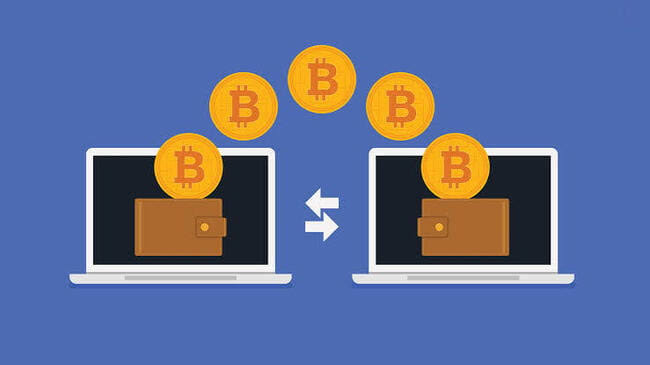
- Moving value. Crypto can send money across borders around the clock, often faster and with fewer intermediaries than traditional transfers.
- Smart contracts. Platforms like Ethereum let developers build programs that run automatically on a blockchain, powering lending, trading, games, and digital ownership.
- Tokens pegged to a currency make it easier to hold and move dollar-like value on blockchains.
- Real-world assets such as commodities or funds can be represented as tokens, opening new ways to trade and settle.
- Network fuel. Many coins pay for transactions or computing on their blockchain, so demand for the network translates into demand for the coin.
A token with a clear job and real users has a stronger foundation than one with only a story.
3. Security and Trust Without a Middleman
A currency is only valuable if people believe it can’t be easily forged or double-spent. Blockchains solve this through technology rather than a central authority.
- Cryptography secures ownership, so only the holder of the private key can move funds.
- Consensus mechanisms let thousands of independent computers agree on the state of the ledger. Bitcoin uses proof of work, where miners spend energy and hardware to secure the network, while many newer networks use proof of stake, where validators lock up coins as collateral.
- A transparent ledger lets anyone audit transactions.
- Decentralisation means no single company or government can alter the rules unilaterally, which many holders see as a feature.
The cost of attacking a large network, in energy or staked capital, is part of what makes its records trustworthy.
4. Network Effects: More Users, More Value
Communication tools get more useful as more people join, and the same goes for blockchains.
- More users mean more people to trade with and accept payments.
- More developers build wallets, apps, and services that increase usefulness.
- More merchants, exchanges, and custodians make it easier to buy, hold, and spend.
- Deeper liquidity lets people enter and exit positions with less price impact.
Once a network has this momentum, it becomes hard for newcomers to replicate, which is one reason the largest assets have kept their lead.
5. Ownership, Control, and Access
Crypto lets individuals hold assets directly, without a bank holding them on their behalf.
- Self-custody: you can control your assets with a private key.
- Borderless and always on: markets operate around the clock, from anywhere.
- Programmability: assets can be integrated into software, enabling features that traditional finance finds difficult.
- Open access: anyone with a phone and an internet connection can participate, subject to local rules.
Self-custody also brings responsibility, since losing a key can mean losing access.
6. Institutional and Regulatory Access
As the industry has matured, it has become easier for mainstream investors to participate.
- Spot Bitcoin ETFs were approved in the United States in January 2024, giving investors regulated exposure through ordinary brokerage accounts.
- Regulated exchanges and custodians have expanded in many jurisdictions.
- Clearer rules in some regions have encouraged banks, asset managers, and companies to build crypto products.
Broader access widens the pool of potential buyers, which can support demand over the long run.
7. Token Economics: How the Rules Shape Supply and Demand
Each cryptocurrency has its own design, and these details influence value.
- Issuance schedules determine how quickly new coins appear.
- Burning mechanisms can remove coins from circulation, as in some networks that destroy part of each transaction fee.
- Staking rewards encourage holders to lock up coins and secure the network.
- Governance rights may give holders a say in how a protocol evolves.
Well-designed token economics align the interests of users, builders, and investors, while poorly designed ones can dilute holders.
Value Versus Price
The value a network creates and the price quoted on an exchange are related but not identical. Price is set minute by minute by buyers and sellers and is influenced by:
- Supply and demand, including events such as halvings and new product launches
- Market sentiment, which can swing between optimism and fear
- Liquidity, since thinner markets move more on smaller trades
- Macroeconomic conditions, such as interest rates and risk appetite
- Regulation and policy announcements
- Technology upgrades and the network’s security track record
That’s why prices can move by large percentages within months, even when the underlying network keeps running steadily.
What Doesn’t Create Lasting Value
- Hype alone. Social media attention can lift a price quickly and fade just as quickly.
- Copycat projects with no distinct purpose or users.
- Meme coins, whose value rests almost entirely on attention and community enthusiasm rather than utility or scarcity.
- Promises of guaranteed returns, which are a warning sign in any investment.
How to Evaluate a Cryptocurrency
- Purpose: what problem does it solve, and for whom?
- Supply: how many coins exist, how are new ones issued, and who holds them?
- Security: how decentralised is the network, and what’s its track record?
- Adoption: are real users, developers, and businesses building on it?
- Liquidity: can you buy and sell easily on reputable venues?
- Regulation and taxes: what rules apply where you live? In India, for example, crypto gains are taxed and a TDS applies on transactions.
- Risk: how much could you comfortably afford to lose?
Frequently Asked Questions
Q1. Is cryptocurrency backed by anything?
A. Most aren’t backed by physical assets or a government, and their value comes from scarcity, utility, network strength, and market demand, though stablecoins aim to be backed by reserves.
Q2. Why is Bitcoin called digital gold?
A. Because it has a fixed supply and is often held as a store of value, much as gold is, though its value depends on continued adoption.
Q3. Does a limited supply guarantee a rising price?
A. No, scarcity helps only when there is demand, and prices can still fall for long periods.
Q4. Why do crypto prices change so much?
A. Markets are open around the clock, sentiment shifts quickly, and liquidity is thinner than in older markets, so news and flows can move prices sharply.
Q5. Is every cryptocurrency valuable?
A. No, many tokens have little use or adoption, so it’s important to research a coin’s purpose, supply, and network before investing.