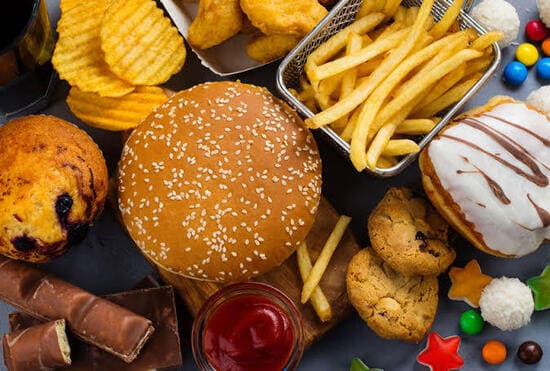
A packet of bread stays usable for several days, packaged juice can remain stable for months before opening, and sauces, jams and snacks can travel long distances without quickly losing their quality. Behind this convenience is a combination of food processing, packaging, storage conditions and, in many products, food preservatives.
For Indian consumers, preservatives are particularly relevant because food may travel through different temperatures and humidity levels before reaching a shop or home. India’s warm climate can encourage microbial growth and speed up chemical changes in certain foods if they are not processed and stored correctly. Preservatives help manufacturers control some of these changes and provide products with a practical shelf life.
But preservatives do not simply “keep food fresh.” Different preservatives perform different jobs. Some slow the growth of microorganisms, some prevent fats from becoming rancid, while others help protect colour or quality. Their effectiveness also depends on factors such as acidity, moisture, packaging and temperature.
Understanding how preservatives work makes food labels easier to interpret and helps consumers make informed choices about packaged foods.
Why Does Food Spoil in the First Place?
To understand preservatives, it helps to understand what makes food deteriorate.
Food can lose quality because of biological, chemical and physical changes. The major causes include:
- Growth of bacteria, yeasts and moulds
- Oxidation caused by exposure to oxygen
- Enzyme activity within the food
- Moisture gain or loss
- Exposure to light and heat
- Contamination during handling
- Changes in fats, proteins and other food components
Different foods face different challenges. Bread, for example, can develop mould, while oils and fatty snacks may develop unpleasant flavours because of oxidation.
Food preservation is therefore about controlling the particular processes most likely to damage a product.
What Are Food Preservatives?
Food preservatives are substances used to slow spoilage, maintain quality or help protect food against undesirable biological or chemical changes.
Some occur naturally or have traditionally been used for preservation, while others are manufactured specifically for food applications.
Common traditional preservation ingredients include:
- Salt
- Sugar
- Vinegar
- Certain acids
Modern food production also uses permitted preservatives with specific technological functions.
Importantly, preservatives are only one part of food preservation. Manufacturers may combine them with refrigeration, heat treatment, drying, airtight packaging or other technologies.
How Do Preservatives Extend Shelf Life?
There is no single mechanism that applies to every preservative. Different types work against different causes of food deterioration.
1. They Can Slow the Growth of Microorganisms
Microbial growth is a major cause of food spoilage and can also create food-safety risks.
Certain preservatives create conditions that make it more difficult for particular bacteria, yeasts or moulds to grow. These are generally described as antimicrobial preservatives.
Depending on the food, they may interfere with microbial cells or make the surrounding environment less favourable for microbial activity.
Examples of preservatives used in particular food applications can include compounds such as benzoates, sorbates and propionates.
Their effectiveness depends heavily on the product. A preservative that works well in an acidic beverage may not perform identically in another type of food.
2. They Can Reduce Oxidation
Have you ever opened an old packet of nuts or namkeen and noticed an unpleasant stale or rancid smell? Oxidation of fats can be one reason.
Oxygen can react with components of food, particularly fats. Over time, these reactions may affect:
- Taste
- Aroma
- Colour
- Nutritional quality
- Overall acceptability
Antioxidants are used in certain foods to slow oxidative reactions.
This is particularly useful in foods containing oils and fats, such as some snacks, processed foods and bakery products.
Packaging that limits exposure to oxygen can work alongside antioxidants to provide better protection.
3. Salt Reduces Available Water
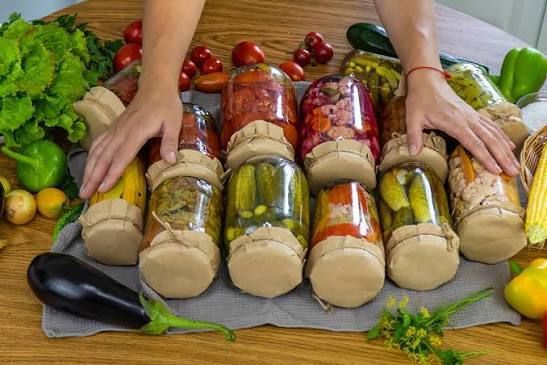
Salt is one of the oldest food-preservation ingredients and remains important in Indian food traditions.
Microorganisms need available water to grow. When enough salt is present, it can reduce the amount of water readily available for microbial growth.
This principle contributes to the preservation of certain foods such as:
- Pickles
- Salted foods
- Some preserved fish and meat products
- Certain traditional preparations
However, salt concentration matters. Adding a small amount of salt for taste does not automatically turn a food into a shelf-stable product.
4. Sugar Can Also Limit Available Water
Sugar works on a similar principle when used at sufficiently high concentrations.
In products such as traditional jams, jellies and preserves, a high sugar concentration can reduce water availability and make conditions less suitable for many microorganisms.
That does not mean every sweet food is naturally preserved. The exact concentration, acidity, processing method, packaging and storage conditions all matter.
Once a jar is opened and contaminated through handling, spoilage may still occur.
5. Acids Create an Unfavourable Environment
Acidity is another powerful tool in food preservation.
Ingredients such as vinegar lower the pH of food. Many harmful or spoilage-causing microorganisms cannot grow effectively under sufficiently acidic conditions.
Acidity is important in many:
- Pickled products
- Sauces
- Chutneys
- Condiments
- Acidified packaged foods
Manufacturers may also use permitted food acids or preservatives that work especially effectively at lower pH levels.
This is one reason the acidity of a product can be just as important as the preservative itself.
Preservatives Work Better with Other Preservation Methods
Modern food preservation often uses several protective measures instead of relying on one ingredient.
Think about packaged fruit juice. Its shelf life may result from a combination of:
- Controlled processing
- Heat treatment
- Hygienic filling
- Suitable acidity
- Protective packaging
- Appropriate storage
- Preservatives, where required and permitted
This combined approach is sometimes described as using multiple “hurdles” against deterioration.
A microorganism that survives one hurdle may struggle with the next. For example, low pH combined with refrigeration and suitable packaging can be more effective than relying on only one factor.
Natural vs Added Preservatives
Consumers sometimes divide preservatives into “natural” and “chemical” categories, but the distinction can be misleading because all food substances are made of chemicals.
Traditional preservation methods commonly use substances such as:
- Salt
- Sugar
- Vinegar
- Organic acids produced during fermentation
- Smoke in certain traditional foods
Modern preservatives are often purified compounds added in carefully controlled quantities for specific functions.
The more useful questions are:
- Is the preservative permitted for that food?
- Is it being used within the prescribed limit?
- What function does it perform?
- How frequently is the food being consumed?
In India, food additives and preservatives used commercially are subject to food-safety regulations and conditions of use.
Why Are Preservatives Used in Packaged Foods?
Preservatives can serve several practical purposes across the food supply chain.
They may help:
- Reduce premature spoilage
- Maintain acceptable quality during transportation
- Provide sufficient shelf life for retail distribution
- Reduce some forms of food waste
- Protect flavour and colour from particular chemical changes
- Control specific microorganisms when used appropriately
India has a large and complex food distribution network. Products may need to travel hundreds or thousands of kilometres and remain stored before purchase. Shelf-life management therefore has practical importance for manufacturers, retailers and consumers.
Does “No Added Preservatives” Mean the Food Cannot Spoil?
No.
A product labelled “no added preservatives” can still achieve a reasonable shelf life through other technologies.
Manufacturers may use methods such as:
- Pasteurisation or sterilisation
- Refrigeration
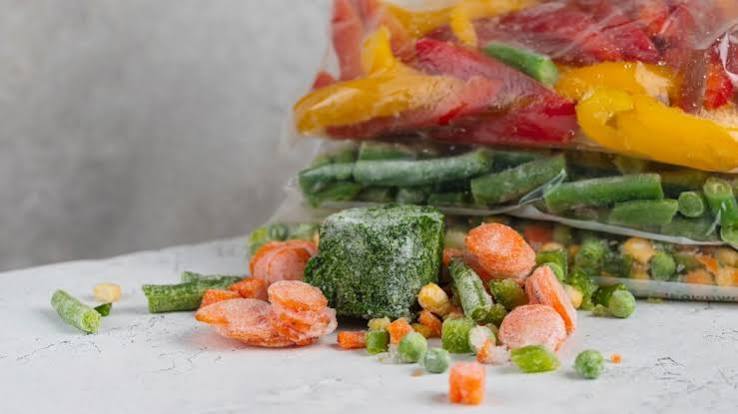
- Freezing
- Drying
- Vacuum packaging
- Modified-atmosphere packaging
- Aseptic processing and packaging
- Naturally acidic formulations
Similarly, the absence of added preservatives does not automatically mean a product is healthier, just as the presence of an approved preservative does not automatically make a food unhealthy.
The complete nutritional profile matters more.
Are Food Preservatives Safe?
Food additives used in packaged foods are regulated, and permitted preservatives have conditions governing where and how they can be used. In India, food businesses must comply with applicable standards and labelling requirements established by the Food Safety and Standards Authority of India (FSSAI).
Consumers who want to understand what a packaged product contains should check its ingredient list and food-additive information.
It is also useful to distinguish between the safety of a particular preservative at permitted levels and the overall nutritional quality of the food containing it. A product may comply with preservative requirements while still being high in salt, sugar or saturated fat.
Therefore, consumers should consider the entire food rather than judging it only by the presence or absence of preservatives.
How to Identify Preservatives on Indian Food Labels
When buying packaged food, check the ingredient list carefully. Food additives may be identified by their functional category along with their specific name or recognised identification number, depending on applicable labelling requirements.
Look at the whole label rather than focusing on one unfamiliar ingredient.
Important things to check include:
- Ingredient list
- Nutrition information
- Allergen declaration
- Manufacturing or packing information
- Best-before or use-by information, as applicable
- Storage instructions
- Instructions such as “refrigerate after opening”
Storage instructions are particularly important because a preservative does not override them.
Preservatives Cannot Fix Poor Food Handling
One of the biggest misconceptions is that preserved food is almost impossible to spoil.
Preservatives can slow specific deterioration processes, but they cannot compensate for every storage or hygiene problem.
A packaged product can deteriorate faster if it is:
- Stored at the wrong temperature
- Left open for long periods
- Contaminated with dirty spoons or hands
- Exposed repeatedly to moisture
- Kept in damaged packaging
- Used long after the recommended period
- Refrigerated incorrectly after opening
If a product has an unusual smell, visible mould, leaking or swollen packaging, or other obvious signs of spoilage, it should not be consumed simply because preservatives are listed among its ingredients.
FAQs
Q1. Why does packaged bread contain preservatives but homemade roti does not?
A. Packaged bread is generally expected to remain acceptable for several days while being transported, stored and displayed for sale. Certain preservatives can help control mould growth. Homemade roti is usually prepared for immediate or short-term consumption, so it does not require the same shelf-life strategy.
Q2. Does keeping preserved food in the refrigerator make it last indefinitely?
A. No. Refrigeration slows many biological and chemical processes but does not stop them completely. Always follow the storage instructions on the pack and pay particular attention to directions that apply after opening.
Q3. Is a product labelled “preservative-free” automatically healthier?
A. Not necessarily. Preservative content is only one aspect of food. A preservative-free product may still contain high levels of sugar, salt or saturated fat. Compare the full ingredient list, nutrition information and portion size when choosing packaged foods.
Q4. Why does food spoil quickly after opening even if it contains preservatives?
A. Opening the package exposes food to oxygen, moisture and microorganisms from the surrounding environment, hands and utensils. Protective packaging conditions are also disrupted. That is why many shelf-stable products carry instructions such as “refrigerate after opening” and recommend consumption within a specified period.