Your first solo trip can feel exciting and slightly uncomfortable at the same time. There is no friend deciding where to eat, no family member checking the train timing and nobody sharing responsibility when a plan changes. That independence is exactly what makes solo travel special, but it also means that choosing the right destination matters more than simply picking the most beautiful place you saw on social media.
For Indian travellers, the best solo destination should offer a sensible combination of safety, accessibility, accommodation, transport, activities and affordability. A remote Himalayan village might look perfect in photographs, but it may not be ideal for someone taking their first solo trip if reaching it requires complicated transport and there is limited connectivity. On the other hand, a well-connected city, hill town or coastal destination may make travelling alone much easier.
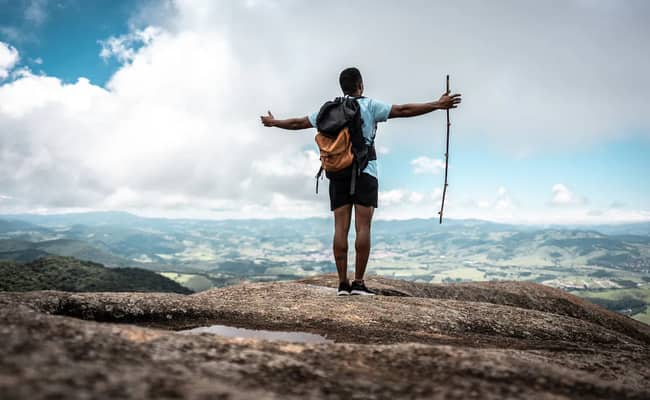
The best place for a solo trip is ultimately one that matches your experience, confidence, budget and interests while allowing you to manage everyday travel comfortably on your own.
Solo Trip Destination: Quick Selection Guide
| Factor | What to Look For |
|---|---|
| Safety | Well-travelled areas and reliable accommodation |
| Accessibility | Simple train, flight, bus or road connections |
| Local Transport | Dependable and easy to understand |
| Accommodation | Good hostels, hotels or homestays |
| Budget | Affordable total daily expenses |
| Activities | Enough experiences suitable for solo travellers |
| Connectivity | Reliable mobile network/internet where important |
| Healthcare | Reasonable access to medical assistance |
| Food | Accessible and varied options |
| Weather | Suitable for planned activities |
| Social Opportunities | Hostels, walking tours or group activities |
| Trip Length | Appropriate for travel time and destination size |
Start With the Type of Solo Trip You Want
Do not start by searching for “best solo destinations in India.”
First decide what you actually want from the holiday.
Are you looking for:
- Peace and nature?
- Adventure?
- Beaches?
- Food and culture?
- History and architecture?
- Spiritual experiences?
- Trekking?
- Photography?
- Nightlife?
- A quiet break from work?
Different goals require completely different destinations.
Someone interested in cafés and meeting other travellers may enjoy a popular backpacking destination. A history enthusiast may prefer Jaipur or another heritage city, while a traveller wanting mountains might choose a well-connected Himalayan town.
Choose the experience first and the destination second.
Safety Should Be a Priority
Safety deserves particular attention when travelling alone because you do not have a companion immediately available if something goes wrong.
No destination can be guaranteed completely safe, and conditions can vary even within the same city.
Before booking, research:
- The neighbourhood around your accommodation
- Transport availability after dark
- Recent traveller experiences
- Local weather risks
- Common tourist scams
- Emergency services
- Whether major attractions are easy to reach
Solo travellers should also avoid sharing unnecessary real-time location information publicly.
Let a trusted family member or friend know your basic itinerary and accommodation details.
For solo women travellers, checking recent experiences from other women can provide useful practical context about neighbourhoods, transport and accommodation.
Choose a Destination That Is Easy to Reach
For a first solo trip, simplicity can make the experience much more enjoyable.
A destination with a direct train, flight or reliable bus connection removes several opportunities for confusion.
Imagine two destinations:
The first requires a direct five-hour train journey.
The second requires a flight, local taxi, bus transfer and another three-hour shared-cab ride.
The second may be more adventurous, but the first could be much easier for a beginner travelling alone.
When evaluating accessibility, calculate:
- Door-to-destination travel time
- Number of transfers
- Arrival time
- Transport from station or airport
- Availability of transport if delayed
Whenever practical, first-time solo travellers may find arriving during daylight more comfortable than reaching an unfamiliar place very late at night.
Local Transport Should Be Easy to Understand
Reaching the destination is only the first step.
You also need to move around once you arrive.
Check whether the destination offers:
- Metro
- Local buses
- App-based taxis
- Auto-rickshaws
- Rental vehicles where appropriate
- Walkable tourist areas
- Hotel-arranged transport
If public transport is limited, estimate taxi expenses before travelling.
A hotel that appears inexpensive but requires an expensive taxi for every meal and attraction may not be good value.
Walkability can be a major advantage for solo travellers, provided the areas are appropriate for walking.
Accommodation Matters More When You Travel Alone
Accommodation becomes your base, storage area and place to return to after exploring alone.
Do not choose only on price.
Check:
- Location
- Recent guest feedback
- Reception availability
- Cleanliness
- Locker or secure storage facilities
- Transport access
- Nearby restaurants
- Check-in timings
Hostels can be particularly attractive for travellers who want to meet people.
Many provide common areas, group activities and local tours.
However, hostels are not compulsory for solo travel. If privacy and quiet matter more to you, a reputable hotel, guesthouse or homestay may be a better choice.
Your Budget Should Include More Than the Room
Travelling alone has one financial disadvantage: you cannot always split expenses.
A ₹2,000 taxi costs ₹2,000 whether one person or four people use it.
Similarly, a hotel room may cost almost the same for one traveller as for two.
Calculate the complete budget:
- Transport to destination
- Accommodation
- Local travel
- Food
- Attraction tickets
- Activities
- Emergency expenses
- Shopping
Hostels, public transport and walking can make solo travel significantly more affordable.
Keep an emergency financial buffer instead of planning to spend every rupee in your estimated budget.
Pick a Destination With Enough Solo-Friendly Activities
One concern first-time travellers often have is:
“What will I actually do alone all day?”
Choose a destination where activities do not depend on having a companion.
Good solo activities can include:
- Museums
- Heritage walks
- Photography
- Cafés
- Local markets
- Guided tours
- Nature walks
- Cultural attractions
- Group adventure activities
- Food tours
Group experiences can be particularly useful.
You remain an independent traveller while still meeting people for a few hours.
Avoid planning risky outdoor activities completely alone, especially unfamiliar treks, remote water activities or routes with poor connectivity.
Consider Mobile Network and Internet Availability
Being temporarily disconnected can sound relaxing, but complete loss of connectivity is not always ideal during a solo trip.
Mobile service can help with:
- Maps
- Hotel communication
- Transport booking
- Digital payments
- Emergency calls
- Staying in contact with family
Remote mountain and wildlife areas may have inconsistent coverage.
If visiting such locations, download important information beforehand, including maps, tickets, accommodation details and emergency contacts.
It can also be useful to keep some cash because digital payment availability and network reliability can vary.
Weather Can Make a Solo Trip Much Harder
Bad weather becomes more complicated when you are managing everything yourself.
Heavy rain may cancel activities, snow can affect mountain roads and extreme heat can make sightseeing exhausting.
Before travelling, check seasonal conditions such as:
- Rainfall
- Temperature
- Road accessibility
- Snow
- Landslide risk
- Sea conditions
- Local weather advisories
Pack for actual conditions rather than relying on old travel photographs.
A destination that is perfect in October may require completely different preparation in July.
Healthcare Access Deserves Consideration
You do not need a hospital beside your hotel, but reasonable access to healthcare is useful when travelling alone.
This becomes especially important for:
- High-altitude destinations
- Remote areas
- Adventure trips
- Travellers with medical conditions
Carry necessary medicines in adequate quantity.
A basic personal kit may include items appropriate to your individual needs, but prescription medication and medical decisions should follow professional guidance.
Also keep identification and emergency-contact information accessible.
Avoid Making Your First Solo Trip Too Ambitious
Your first independent journey does not need to involve 10 days in a remote location.
A two- or three-night trip to an accessible destination can teach you a lot about:
- Managing luggage
- Eating alone
- Navigating transport
- Following an itinerary
- Handling unexpected changes
- Managing your budget
Once you become comfortable, more complex trips become easier.
Confidence in solo travel develops through experience, not through forcing yourself into difficult situations.
Choose Social or Quiet Destinations Based on Your Personality
Solo travel does not automatically mean isolation.
If you enjoy meeting people, consider destinations with:
- Backpacker hostels
- Group tours
- Walking tours
- Cafés
- Popular traveller areas
- Adventure groups
If you are travelling specifically to get away from social pressure, a quiet retreat may suit you better.
There is no requirement to make friends on every solo trip.
Being comfortable with your own company is part of the experience.
Keep Your Itinerary Flexible but Organised
Solo travel offers freedom, but complete lack of planning can create unnecessary stress.
Before leaving, ideally know:
- Where you are staying
- How you will reach the accommodation
- How you will leave the destination
- Your approximate daily budget
- Key attractions you want to visit
- Important emergency information
Leave enough empty time to change plans.
You may discover a local café, meet other travellers or simply decide that you would rather spend an afternoon reading than visiting another attraction.
That freedom is one of the biggest advantages of travelling alone.
A Simple Checklist Before Choosing Your Solo Destination
Before booking, ask yourself:
- Can I reach the destination comfortably?
- Am I comfortable managing local transport?
- Does my accommodation have a suitable location?
- Is the trip within my total budget?
- Are there activities I genuinely want to do alone?
- Is the weather suitable?
- Do I understand major local safety considerations?
- Can I access communication and emergency assistance if required?
If most answers are positive, you probably have a strong candidate for your trip.
Do not choose somewhere simply because it is described online as the “best solo destination.” The right place should match your confidence, interests, budget and travel experience.
FAQs
1. How many days should my first solo trip be?
A. A two- to four-day trip can be a comfortable starting point for many beginners. It provides enough time to experience independent travel without committing to a long journey if you discover that you prefer travelling with company.
2. Are hostels necessary for solo travellers?
A. No. Hostels are useful for affordability and meeting other travellers, but hotels, homestays and guesthouses can work equally well. Choose based on privacy, budget, location, security and the type of experience you want.
3. What should I do if I feel lonely during a solo trip?
A. Join a walking tour or group activity, spend time in a social hostel or café, or call someone you know. You can also shorten or change your itinerary if the trip is no longer enjoyable. Solo travel does not require proving that you can remain alone constantly.
4. How much emergency money should I carry on a solo trip?
A. There is no universal amount. Keep a financial buffer sufficient for unexpected transport, an extra night’s accommodation or another reasonable emergency. It is also sensible to avoid keeping all cash, cards and payment options in exactly the same place.