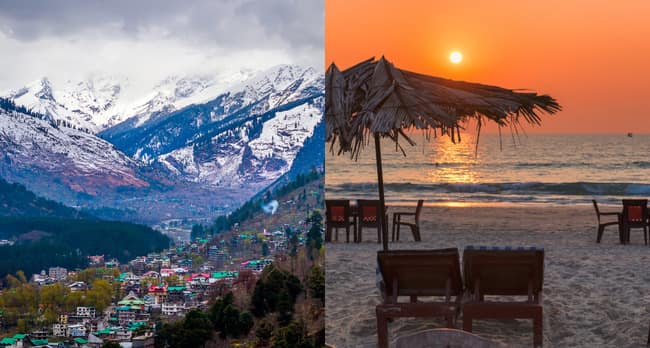
A destination can look perfect in photographs and still be completely wrong for a family holiday. A remote mountain village may offer spectacular views but require exhausting road travel with young children. A famous beach may have beautiful sunsets but limited safe swimming areas. Similarly, a packed sightseeing itinerary may excite adults while leaving children and grandparents exhausted by the second day.
For Indian families, a successful vacation usually involves balancing the needs of different age groups. Parents may want relaxation, children need engaging activities, teenagers want entertainment, and elderly family members may require comfortable transport and easy access to hotels and attractions. Budget, food, weather, healthcare and safety also matter.

Therefore, the ideal family vacation destination is not necessarily the most famous or luxurious one. It is a place where travelling, staying, eating and exploring remain comfortable for most members of the family. Choosing on these practical factors can turn an ordinary destination into a memorable family holiday.
Family-Friendly Destination: Quick Overview
| Factor | What to Look For |
|---|---|
| Accessibility | Convenient flight, train or road connections |
| Travel Time | Reasonable journey for children and elderly travellers |
| Accommodation | Clean, safe and suitable family rooms |
| Activities | Options for different age groups |
| Food | Variety and familiar options when needed |
| Safety | Reliable transport and safe tourist areas |
| Healthcare | Medical facilities within reasonable reach |
| Weather | Comfortable for planned activities |
| Local Transport | Easy and dependable |
| Pace | Enough time for rest |
| Budget | Predictable overall trip cost |
| Entertainment | Indoor and outdoor options |
Easy Accessibility Makes the Holiday Better
A family holiday starts long before reaching the hotel.
If getting to the destination requires multiple flights, a six-hour road journey and several transfers, family members may already be exhausted on arrival.
This becomes particularly important when travelling with:
- Babies
- Young children
- Elderly parents
- People with mobility limitations
- Large family groups
Look at the complete door-to-hotel journey.
A two-hour flight may sound convenient, but if the airport is another four hours from the final destination, the actual travel experience is very different.
For short family vacations, choosing a destination with easy rail, road or air connectivity can provide more usable holiday time.
The Weather Should Suit the Entire Family
Weather can make or break a family trip.
Young children and elderly travellers may be more uncomfortable in extreme heat, cold or humidity.
Before booking, check typical conditions for your travel period, including:
- Daytime temperatures
- Night temperatures
- Rainfall
- Humidity
- Snow conditions
- Road accessibility
- Sea conditions for beach holidays
Hill stations may offer relief from summer heat, but high-altitude locations can become very cold.
Similarly, beach destinations may look attractive throughout the year, but heavy monsoon rain or rough seas can restrict outdoor activities.
Do not rely solely on beautiful promotional photographs. Match the season to the activities your family actually plans to enjoy.
Accommodation Should Be Designed Around Family Needs
A hotel that works well for a couple may not necessarily suit a family of five.
Room configuration matters.
Before booking, check:
- Family-room availability
- Extra-bed policies
- Connecting rooms
- Lift access
- Bathroom design
- Hot-water availability
- Air conditioning or heating
- Children’s play areas
- Swimming-pool supervision arrangements
- Restaurant timings
For families with babies, facilities such as a refrigerator, kettle or kitchenette may be useful depending on individual needs.
Location matters too.
A cheaper hotel 15 kilometres outside the main tourist area may result in additional taxi expenses and long daily journeys.
Sometimes paying slightly more for a convenient location provides better overall value.
A Good Destination Offers Activities for Different Ages
The best family destinations do not depend on a single type of attraction.
Imagine spending four days at a destination where every activity involves difficult trekking. Adventure-loving adults may enjoy it, but small children or grandparents may not.
Look for variety.
A balanced family destination might offer:
- Parks
- Museums
- Scenic attractions
- Easy nature walks
- Shopping areas
- Cultural experiences
- Children’s attractions
- Restaurants
- Adventure activities
- Relaxing hotel facilities
Not every family member has to participate in every activity.
A destination becomes more flexible when people can occasionally separate into smaller groups and choose activities based on their interests.
Food Availability Is More Important Than It Seems
Trying local cuisine can be one of the best parts of travelling.
But family trips also require practical food options.
Children may prefer familiar meals, elderly travellers may have dietary restrictions, and some family members may require vegetarian or other specific options.
Before choosing a destination, consider:
- Restaurant availability
- Vegetarian choices
- Children’s meal options
- Breakfast availability
- Food near the hotel
- Hygiene
- Access to packaged drinking water
This does not mean eating familiar food throughout the trip.
Instead, a good family destination should provide enough variety that nobody has to struggle at every meal.
Safety Should Be Part of Planning
No destination can be completely risk-free, but basic safety considerations should influence family travel decisions.
Research practical issues such as:
- Reliable local transport
- Safe tourist areas
- Road conditions
- Weather hazards
- Beach safety
- Trekking conditions
- Emergency facilities
At beach destinations, follow lifeguard instructions and warning flags. Never assume calm-looking water is safe for swimming.
In mountain regions, weather can affect roads and trails quickly.
Adventure activities should be booked through responsible operators using appropriate safety equipment.
Parents should also keep basic identification and emergency contact details accessible when travelling with children.
Healthcare Access Matters
Most holidays pass without medical problems, but families should still know where help is available.
This is especially important when travelling with:
- Elderly parents
- Babies
- Pregnant travellers
- People with chronic medical conditions
- Anyone requiring regular medication
You do not necessarily need a major hospital beside the hotel, but reasonable access to a clinic, pharmacy or hospital provides reassurance.
Carry adequate supplies of regular prescription medicines rather than assuming the same brand will be immediately available at the destination.
For remote mountain, island or wildlife trips, healthcare accessibility deserves additional consideration.
Avoid Overloading the Itinerary
One of the biggest mistakes families make is trying to see everything.
A five-day trip becomes:
“Seven attractions, two markets, three restaurants, a sunrise point and a day trip.”
By the third day, everyone needs a holiday from the holiday.
Family travel generally benefits from a slower schedule.
Consider:
- One major activity in the morning
- A relaxed lunch
- Rest at the hotel
- One lighter evening activity
Young children may need naps, while elderly travellers may appreciate time to recover between outings.
Leaving free time also gives you flexibility if weather, traffic or tiredness changes the plan.
Local Transport Should Be Convenient
Getting around the destination can influence the experience as much as the attractions themselves.
Before booking, investigate:
- Taxi availability
- Public transport
- App-based cabs where available
- Hotel transfers
- Walking distances
- Parking
- Road quality
In some hill stations, vehicles may not reach every hotel entrance. In heritage areas, attractions may involve significant walking.
If someone in the family has limited mobility, ask the hotel directly about stairs, slopes, lifts and vehicle access.
The Best Destination Fits Your Budget Comfortably
A family holiday involves more than hotel costs.
Calculate the likely total expense:
- Transport
- Accommodation
- Meals
- Local taxis
- Attraction tickets
- Activities
- Shopping
- Emergency expenses
A low-cost flight does not necessarily create a cheap holiday if local transport and accommodation are expensive.
Similarly, an all-inclusive resort may initially look expensive but could simplify food and entertainment expenses for a family.
Choose a trip that allows some financial flexibility instead of spending the entire budget before arriving.
Children Need Entertainment, Not Constant Sightseeing
Adults may appreciate architecture, history and scenic viewpoints for hours.
Young children often do not.
A child-friendly itinerary should include opportunities to play and explore.
Depending on the destination, look for:
- Parks
- Beaches
- Wildlife experiences
- Interactive museums
- Boat rides
- Children’s activity areas
- Easy nature trails
- Hotel pools
- Amusement attractions
This does not mean every holiday needs a theme park.
Even an open garden where children can move freely can provide a welcome break between structured sightseeing.
Consider the Needs of Elderly Family Members
Multi-generational holidays are common in India and can be extremely rewarding when planned carefully.
Before choosing a destination, consider whether elderly family members are comfortable with:
- Long road journeys
- High altitude
- Extreme temperatures
- Extensive walking
- Stairs
- Boat transfers
- Adventure activities
A centrally located hotel with lift access and shorter sightseeing days can make a significant difference.
The goal should be participation without unnecessary physical exhaustion.
Choose the Destination for Your Family, Not Social Media
A destination can be trending online and still be unsuitable for your family.
Instead of asking, “Where is everyone travelling?” ask:
- How many days do we have?
- Who is travelling?
- What weather do we prefer?
- How much travel can we comfortably handle?
- What activities does everyone enjoy?
- What is our realistic total budget?
A family with toddlers may love a relaxed resort holiday, while a family with teenagers may prefer adventure activities and sightseeing. Another family may simply want a quiet homestay surrounded by nature.
The ideal destination is the one that fits the people, season, budget and purpose of the trip.
FAQs
Q1. How many days are ideal for a family vacation?
A. There is no universal number, but travel time should be proportional to the length of the holiday. For a three- or four-day break, choose somewhere relatively easy to reach. Longer trips can justify more distant destinations and complex transfers.
Q2. Is a resort better than a regular hotel for families?
A. A resort can be convenient when it provides meals, children’s activities, recreation and enough space to spend time on the property. A centrally located hotel may be better for sightseeing-focused trips. Choose based on how your family plans to spend each day.
Q3. Should families book every activity before travelling?
A. Book essential activities that have limited availability, but avoid scheduling every hour. Leaving some free time allows the family to adjust for weather, tiredness, children’s needs or unexpected opportunities.
Q4. How can I plan a holiday with both children and elderly parents?
A. Prioritise convenient transport, accessible accommodation, moderate weather and a relaxed itinerary. Choose attractions with manageable walking requirements and include regular rest periods. For significant medical or mobility concerns, seek appropriate advice before travelling.