What you eat is usually discussed in relation to weight, diabetes, cholesterol or physical fitness. But food also supplies the energy and nutrients needed by the brain. Your morning breakfast, cups of chai or coffee, daily intake of fruits and vegetables, meal timing and even hydration can influence how you feel and function during the day.
The connection, however, is not as simple as saying that one food causes anxiety or another food cures depression. Mental health is influenced by genetics, life experiences, relationships, sleep, physical health, financial and work pressures, environment and many other factors. Diet is one potentially modifiable part of this much larger picture.
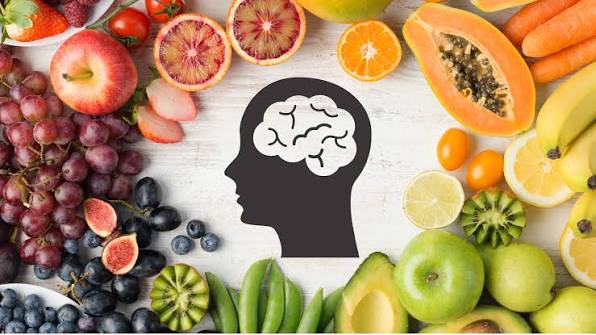
Here are 10 surprising facts about the link between diet and mental health.
Diet and Mental Health at a Glance
| Dietary Factor | Possible Connection |
|---|---|
| Overall Diet Quality | Supplies nutrients needed for brain function |
| Omega-3 Fats | Important components of cell membranes |
| B Vitamins | Participate in nervous-system and metabolic functions |
| Iron | Important for oxygen transport and normal function |
| Gut Microbiome | Communicates with the nervous and immune systems |
| Blood Glucose | Large fluctuations may affect energy and concentration |
| Hydration | Dehydration can affect physical and cognitive performance |
| Caffeine | Can influence alertness, anxiety and sleep |
| Meal Timing | Can influence hunger, energy and daily routine |
| Highly Processed Foods | Can displace more nutrient-dense foods |
1. The Brain Has High Energy and Nutrient Requirements
Your brain represents only a small proportion of total body weight, yet it has substantial energy requirements.
Even while you are resting, brain cells remain active.
They require a steady supply of oxygen and nutrients to support:
- Electrical signalling
- Neurotransmitter production
- Maintenance of cell membranes
- Communication between neurons
- Normal cognitive function
This is one reason overall nutritional adequacy matters.
Diet should not be reduced to calories alone. Two meals containing a similar number of calories can differ greatly in protein, fibre, vitamins, minerals and types of fat.
A balanced dietary pattern provides the raw materials the body and brain need for normal functioning.
2. Your Gut and Brain Are in Constant Communication
The digestive system and brain communicate through what is commonly called the gut-brain axis.
This communication involves several pathways, including:
- Nervous-system signals
- Immune activity
- Hormones
- Microbial metabolites
The gut also contains a large community of microorganisms known collectively as the gut microbiome.
Researchers are actively studying how these microbes and their metabolic products may interact with brain function and behaviour.
However, this emerging science is often exaggerated online.
Eating one probiotic food or taking a “psychobiotic” supplement cannot currently be assumed to cure anxiety, depression or another mental-health condition.
A diverse, fibre-containing diet can support general digestive health without making unrealistic mental-health promises.
3. Most Serotonin Is Not Actually Made in the Brain
Serotonin is frequently described as a “happiness chemical.”
Interestingly, a large proportion of the body’s serotonin is produced in the gastrointestinal system rather than the brain.
But this fact is commonly misunderstood.
Serotonin produced in the gut does not simply travel directly into the brain and instantly improve mood because the brain is protected by the blood-brain barrier.
Gut serotonin has important functions of its own, including roles related to gastrointestinal activity.
The brain produces and uses its own serotonin within complex neural pathways.
So statements such as “eat this food to increase gut serotonin and cure depression” oversimplify the biology considerably.
4. Omega-3 Fatty Acids Are Part of Brain Cell Structure
Certain fats are important components of cell membranes, including those in the nervous system.
Omega-3 fatty acids have attracted particular attention in brain and mental-health research.
Sources can include:
- Fatty fish
- Flaxseeds
- Chia seeds
- Walnuts
- Certain fortified foods
Plant foods mainly provide alpha-linolenic acid (ALA), while fatty fish provide longer-chain omega-3s such as EPA and DHA.
Omega-3 intake can form part of a healthy dietary pattern, but supplements should not be treated as universal antidepressants.
Anyone considering high-dose supplements—particularly people taking medicines affecting blood clotting—should seek appropriate professional advice.
5. Nutrient Deficiencies Can Sometimes Look Like Mental-Health Problems
Symptoms such as fatigue, poor concentration and low energy are not specific to mental-health conditions.
Nutritional and medical problems can sometimes produce overlapping symptoms.
Examples include deficiencies involving:
- Vitamin B12
- Folate
- Iron
- Vitamin D in some circumstances
For instance, significant vitamin B12 deficiency can affect the nervous system, while iron deficiency can contribute to fatigue and reduced physical capacity.
This does not mean every person experiencing sadness, anxiety or poor concentration has a vitamin deficiency.
It means persistent symptoms deserve proper assessment instead of immediate self-diagnosis.
Randomly taking multiple high-dose supplements can also create problems and may delay identification of the real cause.
6. Blood Sugar Changes Can Influence How You Feel During the Day
The brain requires a continuous energy supply, and glucose is an important fuel under ordinary conditions.
This does not mean you need to constantly eat sugar to “feed the brain.”
Meals dominated by rapidly digested carbohydrates and lacking protein, fibre or other nutrients may leave some people experiencing changes in hunger and energy later.
A more balanced meal might combine:
- Roti or rice
- Dal, beans, paneer, eggs, fish or another protein source
- Vegetables
- Curd where suitable
- Salad or fruit
Such combinations can improve overall nutritional quality and may help create more sustained satiety.
People with diabetes or recurrent symptoms related to blood glucose should follow personalised medical and dietary guidance.
7. Caffeine Can Improve Alertness but Also Increase Anxiety
For many people coffee is an essential part of the day.
Caffeine stimulates the central nervous system and can temporarily increase alertness and reduce feelings of tiredness.
However, more is not always better.
High caffeine intake can cause or worsen:
- Restlessness
- Shakiness
- Palpitations
- Difficulty sleeping
- Feelings of anxiety in sensitive individuals
The response varies considerably between people.
Someone who drinks coffee late at night may also sleep poorly, which can affect mood and concentration the following day.
If you regularly feel anxious or struggle to sleep, reviewing the amount and timing of caffeine may be worthwhile.
8. Hydration Can Affect Concentration and Mood
Water is rarely discussed as part of mental-health nutrition, yet adequate hydration is important for normal physical and cognitive function.
Dehydration can contribute to symptoms such as:
- Headache
- Tiredness
- Dizziness
- Reduced concentration
- Physical discomfort
Fluid requirements are not identical for everyone.
They vary according to:
- Weather
- Exercise
- Body size
- Diet
- Pregnancy
- Illness
- Individual health conditions
This is particularly relevant during hot summers or for people working outdoors.
Instead of chasing a universal number of litres, drink appropriately for your circumstances and follow medical guidance if you have a condition requiring fluid restriction.
9. Skipping Meals Can Affect Some People’s Mood and Concentration
Skipping breakfast or another meal is not automatically harmful for every healthy person.
Some people comfortably follow different eating schedules.
Problems arise when irregular eating causes excessive hunger, low energy or difficulty concentrating.
A busy office worker might skip lunch, rely on several cups of tea, become extremely hungry in the evening and then overeat highly convenient foods at night.
The issue is not simply “missing one meal.”
It is the overall pattern.
For people who function better with regular meals, planning simple options can help:
- Fruit with nuts
- Curd with appropriate additions
- Dal and roti
- Vegetable poha
- Idli with sambar
- Eggs with whole-grain foods
Consistency can be particularly useful during demanding work or study periods.
10. A Healthy Diet Can Support Mental Health, but It Is Not a Replacement for Treatment
Perhaps the most important fact is that nutrition can be supportive without being a cure-all.
A nutritious dietary pattern may contribute to overall physical and mental well-being, particularly when combined with:
- Regular exercise
- Adequate sleep
- Social connection
- Stress management
- Limited alcohol
- Avoidance of tobacco and recreational drugs
- Appropriate healthcare
But depression, anxiety disorders and other mental-health conditions are genuine health problems.
Someone receiving psychotherapy or medication should not stop treatment because an influencer recommends a particular diet, supplement or “brain detox.”
Nutrition works best as part of comprehensive health care.
What Does a Brain-Supportive Diet Look Like?
There is no single perfect “mental-health diet.”
A practical approach is to emphasise variety and overall nutritional quality.
Consider including:
- Different dals, beans and pulses
- Seasonal vegetables
- Whole fruits
- Whole grains and millets where appropriate
- Nuts and seeds
- Eggs, dairy, fish or other suitable protein sources
- Healthy sources of dietary fat
- Fermented foods such as curd if tolerated
- Adequate fluids
At the same time, reduce the tendency for highly processed snacks, sugary drinks and takeaway foods to replace nutrient-dense meals.
Perfection is unnecessary. What matters most is the overall pattern repeated over weeks, months and years.
FAQs
1. Can changing my diet cure anxiety or depression?
A. Diet can support overall health, but it should not be considered a guaranteed cure for anxiety or depression. These conditions can have multiple causes and may require counselling, psychotherapy, medication or other professional treatment.
2. Which foods are good for brain health?
A. There is no single best food. A varied diet containing vegetables, fruits, pulses, whole grains, nuts, seeds and adequate protein is more useful than relying on one “superfood.”
3. Should I take vitamin supplements when I feel mentally tired?
A. Not automatically. Mental fatigue can result from inadequate sleep, stress, medical conditions, nutritional deficiencies and many other causes. Supplements are most appropriate when there is a genuine nutritional need or professional recommendation.
4. Can too much tea or coffee make anxiety worse?
A. Yes, particularly in caffeine-sensitive people. Excessive caffeine can contribute to restlessness, palpitations and poor sleep, all of which may make anxiety symptoms feel worse. Reducing intake gradually and avoiding caffeine late in the day may help.