Step outside on a scorching May afternoon in Delhi, exercise in humid coastal weather, or sit in an air-conditioned office after coming in from the heat, and your body immediately begins making adjustments. You may sweat, your skin may become warmer, your heart may beat faster, or you may start shivering when you become too cold. These reactions are part of a sophisticated temperature-control system operating continuously in the background.
Human cells and organs function best within a relatively narrow internal temperature range. The body therefore constantly balances the heat it produces with the heat it gains or loses to the environment. The brain, skin, blood vessels, sweat glands, muscles and hormones all participate in this process, known as thermoregulation.
Here are 10 amazing facts about how the body regulates temperature.
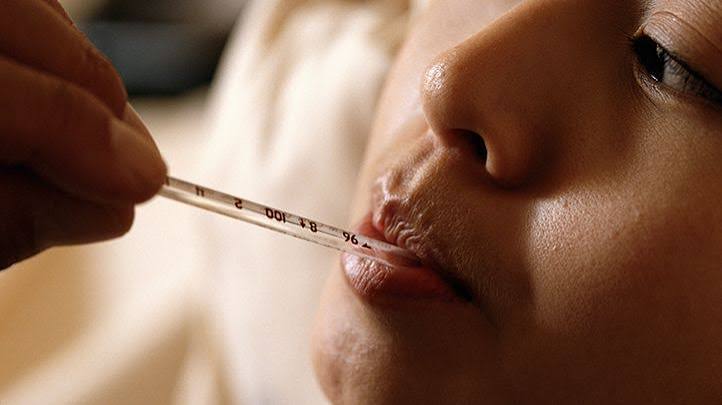
Body Temperature Regulation at a Glance
| Mechanism | Main Role |
|---|---|
| Hypothalamus | Coordinates many temperature-control responses |
| Skin Receptors | Detect environmental temperature changes |
| Sweating | Helps remove heat through evaporation |
| Skin Blood Vessels | Adjust heat transfer at the body surface |
| Shivering | Generates additional heat |
| Metabolism | Continuously produces body heat |
| Behaviour | Clothing, shade, water and activity modify exposure |
| Hormones | Influence metabolism and heat production |
| Acclimatisation | Helps the body adapt to repeated heat exposure |
| Thirst | Supports fluid replacement during heat exposure |
1. Your Brain Has a Temperature-Control Centre
One of the most important areas involved in thermoregulation is the hypothalamus, a small region within the brain.
It receives and integrates temperature-related information from inside the body and from receptors associated with the skin and other tissues.
When conditions become too hot, the nervous system can activate responses that promote heat loss.
When the body becomes too cold, it can initiate mechanisms that conserve or produce heat.
These responses can involve:
- Sweat glands
- Blood vessels
- Muscles
- Hormonal pathways
- Behavioural changes
The system functions somewhat like a thermostat, although human temperature regulation is much more complex than simply switching heating and cooling on and off.
2. Normal Body Temperature Is Not Always Exactly 37°C
The familiar figure of 37°C is useful as a general reference, but normal human body temperature is not fixed at precisely that number.
Temperature naturally varies according to factors such as:
- Time of day
- Age
- Physical activity
- Hormonal changes
- Measurement location
- Individual differences
Body temperature is often lower in the early morning and somewhat higher later in the day.
Measurements can also differ depending on whether temperature is taken orally, under the arm, in the ear or by another method.
Therefore, interpreting a temperature reading requires context rather than assuming anything above or below exactly 37°C is automatically abnormal.
3. Sweating Cools You Only When It Evaporates
Sweating is one of the body’s most important cooling mechanisms.
Sweat glands release fluid onto the skin. As that water evaporates, it absorbs heat from the skin and helps cool the body.
The important word is evaporates.
Simply producing more sweat does not necessarily mean better cooling.
This becomes particularly noticeable during India’s humid weather.
When the surrounding air already contains a lot of moisture, sweat evaporates less efficiently. You may therefore feel extremely sweaty while still struggling to cool down.
That is why a hot, humid day can feel more physically stressful than a similarly hot day with lower humidity.
4. Your Blood Vessels Help Control Heat Loss
Blood does more than transport oxygen and nutrients. Circulation also helps redistribute heat.
When the body needs to release heat, blood vessels near the skin can widen, increasing blood flow closer to the surface.
This process is called vasodilation.
More heat can then be transferred from the body towards the environment.
In cold conditions, blood vessels near the skin can narrow—a process known as vasoconstriction.
This reduces blood flow near the surface and helps conserve heat for vital internal organs.
These vascular changes are one reason skin appearance and temperature can change noticeably between hot and cold environments.
5. Shivering Is Your Body’s Emergency Heater
When you become sufficiently cold, your muscles may begin contracting rapidly and involuntarily.
This is shivering.
Muscular activity produces heat as a by-product. Rapid repeated contractions can therefore increase heat production when the body is struggling to maintain temperature.
Shivering is not simply an annoying reaction to cold. It is a protective physiological response.
However, severe cold exposure can eventually overwhelm the body’s ability to compensate.
A person who is extremely cold, confused, drowsy, clumsy or losing consciousness may be developing hypothermia and needs urgent medical attention.
Importantly, shivering can decrease in severe hypothermia, so stopping shivering does not necessarily mean the person has warmed up.
6. Your Body Produces Heat Even While You Are Resting
You do not need to exercise to generate heat.
Every cell requires energy to perform normal biological functions, and metabolism continuously produces heat.
Major heat-producing tissues and processes include:
- Muscles
- Liver and other metabolically active organs
- Digestion
- Cellular metabolism
- Physical activity
Exercise dramatically increases heat production because working muscles require much more energy.
This explains why you can feel hot after running even when the surrounding air is relatively cool.
It also explains why strenuous exercise during very hot weather can be risky: the body must deal with both environmental heat and the additional heat generated internally by working muscles.
7. Fever Is Different From Simply Overheating
Fever and overheating can both raise body temperature, but they do not happen in exactly the same way.
During many infections, immune signalling can cause the brain’s temperature-regulation system to temporarily defend a higher temperature level.
This can produce the familiar pattern of:
- Feeling cold
- Chills
- Shivering
- Rising body temperature
Later, as the defended temperature returns towards normal, sweating and a feeling of warmth may occur.
In hyperthermia, by contrast, the body becomes excessively hot without the same regulated increase in temperature setting.
Heatstroke is a dangerous form of heat-related illness and is a medical emergency.
8. Your Body Can Adapt to Repeated Heat Exposure
Someone suddenly exposed to intense summer heat may initially find physical activity extremely difficult.
With repeated exposure over days, the body can develop physiological adaptations known as heat acclimatisation.
Depending on the circumstances, adaptations can include:
- More effective sweating
- Earlier onset of sweating
- Changes in sweat composition
- Improved cardiovascular responses
- Better tolerance of exercise in heat
However, acclimatisation does not make a person immune to heat illness.
Even someone accustomed to Indian summers can develop heat exhaustion or heatstroke when conditions are severe, especially with dehydration, intense physical work, inappropriate clothing or certain medical conditions.
9. Children and Older Adults Can Handle Heat Differently
Temperature regulation changes throughout life.
Young children depend more heavily on caregivers to manage hydration, clothing and environmental exposure.
Older adults may also face increased heat-related risks because ageing can influence:
- Thirst perception
- Sweating responses
- Cardiovascular function
- Mobility
- Ability to recognise or respond to heat
- Management of chronic diseases
Certain medicines can also affect fluid balance, sweating or circulation.
During Indian heatwaves, particular attention should therefore be given to older adults, young children, people working outdoors and individuals with chronic health conditions.
Never leave a child, older adult or pet inside a parked vehicle, even for a short period, because temperatures can rise dangerously.
10. Drinking Water Helps Cooling, but Water Alone Cannot Prevent Every Heat Illness
Sweating causes fluid loss.
If that fluid is not replaced, dehydration can make it harder for the cardiovascular system to support effective heat regulation.
Adequate hydration is therefore important during hot weather and exercise.
But drinking huge amounts of plain water is not a guaranteed defence against heatstroke.
Heat risk also depends on:
- Air temperature
- Humidity
- Sun exposure
- Clothing
- Exercise intensity
- Work duration
- Rest breaks
- Individual health
- Acclimatisation
During prolonged heavy sweating, fluid and electrolyte requirements may also need consideration.
Excessive water consumption in a short period can itself be dangerous because it may dilute sodium levels in the blood.
The goal is sensible hydration—not forcing extreme quantities of water.
How the Body Loses Heat
The human body exchanges heat with its surroundings through several mechanisms.
1.Evaporation
Sweat evaporating from the skin removes heat.
2.Radiation
The body can transfer heat to cooler surroundings without direct contact.
3.Convection
Moving air or water can carry heat away from the body. This is why a fan often feels cooling.
4.Conduction
Heat can move between the body and something it directly touches.
These mechanisms depend heavily on environmental conditions. When air temperature and humidity are extremely high, the body’s ability to lose heat can become limited.
Practical Ways to Stay Safer During Indian Summers
During periods of extreme heat:
- Drink fluids regularly according to your needs.
- Avoid unnecessary strenuous outdoor activity during the hottest part of the day.
- Use shade and cooler indoor environments.
- Wear lightweight, breathable clothing.
- Take frequent breaks during outdoor work.
- Check on older adults and vulnerable family members.
- Never ignore confusion or altered behaviour during severe heat exposure.
- Follow local heatwave and health advisories.
Heatstroke requires urgent medical treatment. Warning signs can include very high body temperature accompanied by confusion, altered behaviour, seizures, collapse or loss of consciousness.
FAQs
Q1. Why do some people sweat more than others?
A. Sweating varies because of genetics, fitness, acclimatisation, body size, environmental conditions, medicines and health factors. Heavy sweating does not automatically mean someone is unfit or unhealthy.
Q2. Does drinking cold water reduce body temperature faster?
A. Cold fluids can feel refreshing and contribute to hydration, but the body’s temperature-control system is much more complex than simply cooling the stomach. Appropriate hydration and reducing excessive heat exposure are more important than obsessing over the exact water temperature.
Q3. Why do I feel hotter in humid weather?
A. High humidity reduces the rate at which sweat can evaporate from your skin. Since evaporation is an important cooling mechanism, the body may have greater difficulty losing heat even though you are sweating heavily.
Q4. What is the difference between heat exhaustion and heatstroke?
A. Heat exhaustion can involve heavy sweating, weakness, dizziness, headache, nausea and fatigue. Heatstroke is more dangerous and involves severe overheating with central nervous-system problems such as confusion, abnormal behaviour, seizures or unconsciousness. Suspected heatstroke requires emergency medical care.