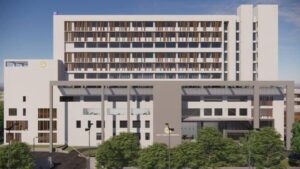
A morning in central Bengaluru can begin with apartment lifts, traffic alerts, office messages and a rushed commute. At the same time, a morning in an Indian village may begin with agricultural activity, local shops opening, children leaving for school and neighbours meeting during everyday routines. Both represent modern India, but the rhythm, opportunities, expenses and social environment can be very different.
The traditional picture of “modern cities versus traditional villages” is also becoming outdated. Rural India is increasingly connected through smartphones, digital payments, online shopping, improved roads and digital services, while urban residents are showing greater interest in open spaces, local communities, remote work and slower living.
The real difference between urban and rural lifestyles is therefore not simply about development. It involves population density, employment, housing, infrastructure, access to services, cost of living, social relationships and proximity to nature. Understanding these differences helps explain why some people migrate towards cities for opportunity while others prefer smaller towns and villages for space, community and a different pace of life.
Urban Vs Rural Lifestyle in India: Quick Comparison
| Factor | Urban Lifestyle | Rural Lifestyle |
|---|---|---|
| Population Density | Generally high | Generally lower |
| Employment | Diverse sectors | More locally concentrated |
| Housing | Apartments and compact homes common | More space may be available |
| Cost of Living | Often higher | Can be lower in several categories |
| Transport | Public transport, cabs, private vehicles | Greater dependence on local/private transport |
| Healthcare | More specialist facilities | Advanced care may require travel |
| Education | Wider institutional choice | Options may be more limited locally |
| Community | More private/individualised | Often closer local networks |
| Environment | More traffic and construction | Greater proximity to open spaces |
| Technology | Deeply integrated | Rapidly expanding |
| Entertainment | Wide commercial variety | More community/local activities |
| Daily Pace | Often faster | Can be comparatively slower |
Employment Opportunities Differ Significantly
One of the strongest reasons people move from rural areas to cities is employment.
Large cities such as Delhi, Mumbai, Bengaluru, Hyderabad, Pune and Chennai offer opportunities across industries including:
- Information technology
- Finance
- Healthcare
- Education
- Media
- Retail
- Hospitality
- Manufacturing
- Professional services
Urban workers can often change employers without relocating because several companies operate within the same region.
Rural employment may be more closely connected to agriculture, small businesses, local services, construction, crafts and government-related work.
However, this difference is changing.
Remote work, e-commerce and digital platforms have created opportunities for people to earn without permanently moving to a major city.
Urban Life Usually Comes With Higher Living Costs
Cities can provide greater earning opportunities, but they can also consume a larger share of income.
Major urban expenses may include:
- Rent
- Commuting
- Parking
- Childcare
- Eating out
- Entertainment
- Domestic services
- Private schooling
Housing is particularly significant.
A professional earning a relatively high salary in a metropolitan city may still have limited disposable income after rent, transport and other expenses.
Rural households may face lower housing costs, especially where families own property. However, rural living is not automatically inexpensive. Travel for healthcare, education or specialised services can add substantial costs.
The better comparison is therefore income relative to total living expenses, not salary alone.
Housing and Personal Space Can Feel Very Different
Urbanisation increases pressure on land.
As a result, apartment living is common in Indian cities.
Urban residents may have convenient access to workplaces, markets and services while living in comparatively smaller spaces.
Rural homes may offer:
- Larger rooms
- Courtyards
- Open surroundings
- Space for animals or gardening
- Greater separation from neighbours
But rural housing quality varies widely.
More space does not automatically mean better sanitation, drainage, water supply or structural quality.
Similarly, modern urban housing can offer lifts, security, backup power, club facilities and organised maintenance.
Housing experience depends heavily on the specific location and household.
Commuting Shapes the Urban Routine
In many large Indian cities, commuting is a major part of everyday life.
Traffic congestion can turn relatively short distances into long journeys.
Urban residents may use:
- Metro systems
- Buses
- Local trains
- Auto-rickshaws
- Taxis
- Two-wheelers
- Private cars
The availability of multiple options is an advantage, but congestion can create stress and reduce personal time.
Rural residents may face less traffic, but public transport can be less frequent.
A person may need a two-wheeler or other private vehicle simply to reach a market, college, hospital or workplace.
So urban transport often struggles with congestion, while rural transport may struggle with availability and distance.
Healthcare Access Is Usually Broader in Cities
Urban areas generally offer greater access to:
- Multispeciality hospitals
- Specialist doctors
- Diagnostic centres
- Pharmacies
- Emergency services
This can be especially important for complex medical conditions.
Rural communities may have access to local clinics, health centres and smaller hospitals, but specialist care can require travel to a district headquarters or nearby city.
Telemedicine and digital consultation services can reduce some access barriers, although they cannot replace every physical examination, diagnostic procedure or emergency service.
For families with elderly members or people requiring frequent specialist treatment, healthcare access can strongly influence where they prefer to live.
Education Options Are More Concentrated in Urban Areas
Cities usually provide a wider selection of schools, colleges, universities, coaching institutes and vocational programmes.
Parents may have several institutions within travelling distance.
Rural students may have good local schools but fewer choices for specialised higher education.
Students sometimes relocate for:
- University
- Professional courses
- Competitive exam preparation
- Technical training
- Specialised coaching
Digital learning has narrowed part of this gap.
Students can now access online courses and educational content from almost anywhere with reliable internet access.
However, devices, connectivity, language and study environments can still influence the effectiveness of online education.
Community Relationships Can Be Stronger in Rural Areas
Social relationships are often one of the most noticeable differences.
In villages and smaller communities, neighbours may know each other across generations.
Families may participate together in:
- Festivals
- Weddings
- Religious activities
- Local events
- Community responsibilities
This can create a strong support network.
Urban life can provide greater privacy and personal independence, but relationships may be less neighbourhood-centred.
People can live in the same apartment building for years without knowing many neighbours.
Neither arrangement is automatically better.
Some people value strong community involvement; others prefer the privacy and anonymity that cities can provide.
Urban Life Provides Greater Convenience
Cities concentrate services within relatively small geographic areas.
Urban residents may have easy access to:
- Restaurants
- Shopping centres
- Gyms
- Cinemas
- Banks
- Hospitals
- Delivery services
- Professional services
Food, groceries and medicines can often be ordered through apps.
This convenience saves time but can also encourage higher spending and a more consumption-oriented lifestyle.
Rural areas may have fewer commercial options, but everyday life can rely more heavily on local shops, weekly markets and community networks.
Rural Living Often Provides Greater Contact With Nature
Villages are generally closer to agricultural land, trees and open spaces.
Depending on the region, residents may experience less traffic and fewer dense commercial developments.
Cities, in contrast, may expose residents to:
- Traffic noise
- Air pollution
- Construction
- Crowding
- Limited green space
However, rural areas are not automatically pollution-free. Agricultural burning, dust, waste disposal, contaminated water or nearby industries can create environmental problems.
Environmental quality should be judged by the actual location rather than the rural or urban label alone.
Technology Is Narrowing the Lifestyle Gap
Perhaps the biggest change in recent years has been digital connectivity.
Smartphones have allowed many rural consumers to access services that once required travelling to towns.
These can include:
- Digital payments
- Online shopping
- Banking
- Entertainment
- Education
- Government services
- Video communication
Social media also means that fashion, entertainment and consumer trends can spread rapidly between cities and villages.
As connectivity improves, the cultural difference between urban and rural lifestyles is becoming less rigid.
Urban Life Can Offer Greater Independence
Cities attract students and professionals from across India.
Living away from extended family can create greater independence in decisions about:
- Career
- Daily schedule
- Social life
- Spending
- Relationships
- Personal lifestyle
This freedom can be valuable, particularly for younger adults.
However, independence also means managing rent, cooking, commuting, household responsibilities and emergencies without the same immediate family support that may exist in a village or hometown.
Rural Life Is Not Necessarily Slow and Urban Life Is Not Always Stressful
It is easy to romanticise either lifestyle.
Rural life can involve physically demanding work, uncertain agricultural income, limited services and long travel distances.
Urban life can involve traffic and high expenses but also provide strong professional opportunities, convenience and social diversity.
The experience depends on:
- Income
- Occupation
- Family situation
- Health
- Location
- Personal priorities
A high-income remote worker in a small town may have a completely different lifestyle from an agricultural worker in the same area. Similarly, urban experiences vary enormously between central Mumbai and the outskirts of a smaller city.
A New Hybrid Lifestyle Is Emerging
The distinction between urban and rural living is gradually becoming more flexible.
Remote and hybrid work have allowed some professionals to live outside expensive metropolitan centres while remaining connected to urban employers.
Improved roads and digital services are also making smaller towns more attractive.
Some households increasingly seek a balance:
- Urban employment opportunities
- Lower housing costs
- More personal space
- Better digital connectivity
- Access to nature
- Reasonable healthcare and education
This may encourage growth in smaller cities and peri-urban areas rather than forcing people to choose only between a major metropolitan city and a remote village.
Ultimately, the better lifestyle depends less on whether a place is labelled urban or rural and more on whether it supports the individual’s career, family, financial and personal priorities.
FAQs
1. Is rural living always cheaper than urban living in India?
Not necessarily. Housing and some daily expenses may be lower, but rural households can spend more on travelling for education, healthcare, employment or specialised services. The comparison depends on income, property ownership and access to local facilities.
2. Is urban life better for career growth?
Cities generally provide a greater concentration of employers and professional networks, which can make career changes easier. However, remote work, entrepreneurship and digital businesses are creating more opportunities outside major cities.
3. Why do people move back from large cities to smaller towns?
Common reasons can include lower housing costs, family support, less commuting, more space and remote-work flexibility. The decision still depends on employment, healthcare, education and internet connectivity.
4. Can rural areas provide the same digital facilities as cities?
Many rural areas now have access to smartphones, digital payments, online shopping, banking and educational platforms. However, internet reliability, delivery coverage and digital infrastructure can still vary considerably by location.