Kendriya Vidyalaya (KV) is India’s largest school network, run by the Kendriya Vidyalaya Sangathan (KVS), an autonomous body under the Ministry of Education. With well over 1,200 schools spread across India and a few abroad, KVs are known for a rare combination: government-subsidised, genuinely affordable education alongside consistently strong academic outcomes. Here’s a look at some of the most recognised KVs in 2026 and how the system actually works.
Understanding KVS Before Ranking Anything
KVS was originally set up to serve children of transferable central government employees and defence personnel, ensuring a uniform CBSE curriculum so a child moving between postings wouldn’t face a disrupted education. That original purpose still shapes admissions today — KVs follow a priority-based admission system favouring defence and central government employee wards, rather than a purely merit-based entrance exam model used by many private schools.
All Kendriya Vidyalayas are CBSE-affiliated and co-educational, and several have been selected under the Pradhan Mantri Schools for Rising India (PM SHRI) scheme, a central government initiative to upgrade select schools with better infrastructure and teaching models. Unlike DPS, KVS does not run its own annual internal ranking exercise comparable to the Inter DPS Rankings — recognition of individual KVs tends to come from external sources like EducationWorld’s India School Rankings, board result performance, or long-standing institutional reputation.
With that context, here are ten KVs that come up most often in national recognition and search interest.
1. Kendriya Vidyalaya, IIT Kanpur
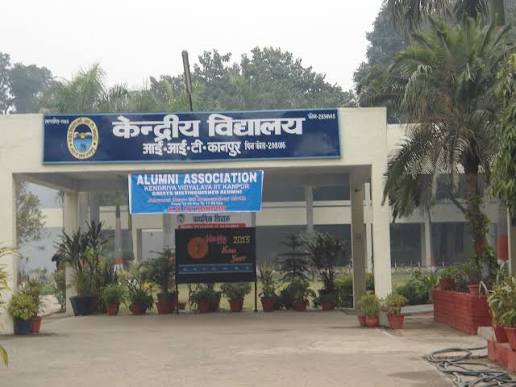
Established in 1965, this KV started with just 60 students across two bungalows and has since grown substantially. It’s known for producing students who go on to IITs and AIIMS, with some students receiving KVPY science scholarships funded by the Department of Science and Technology.
2. Kendriya Vidyalaya, IIT Bombay
Located on the IIT Bombay campus, this KV benefits from proximity to one of India’s premier technical institutions and is frequently cited among the strongest-performing KVs in western India.
3. Kendriya Vidyalaya, IIT Madras
Situated within the IIT Madras campus, this KV is regularly named among the leading KVs in southern India for its academic track record.
4. Kendriya Vidyalaya, IIT Guwahati
Representing the network’s presence in India’s northeast, this campus-based KV carries the same academically-oriented reputation associated with IIT-hosted Kendriya Vidyalayas nationally.
5. Kendriya Vidyalaya, Kanjikode (Palakkad, Kerala)
Designated a “Model Kendriya Vidyalaya” in 1999–2000 and selected under the PM SHRI scheme in 2023, this KV was ranked 7th nationally in the EducationWorld India School Rankings in 2017, giving it one of the more externally validated academic records in the network.
6. Kendriya Vidyalaya, Tambaram (Chennai)
A long-established KV in Tamil Nadu, Tambaram is consistently named among the strongest-performing Kendriya Vidyalayas in the south, benefiting from Kerala and Tamil Nadu’s broader reputation for strong KV outcomes.
7. Kendriya Vidyalaya, Pattom (Thiruvananthapuram, Kerala)
Another well-regarded southern KV, Pattom is frequently listed alongside Tambaram and Kanjikode as one of Kerala’s academically strongest Kendriya Vidyalayas.
8. Kendriya Vidyalaya, NMR JNU Campus (New Delhi)
Located within the Jawaharlal Nehru University campus, this KV combines central Delhi’s resource access with the academic reputation associated with university-hosted KVs.
9. Kendriya Vidyalaya, Malleswaram (Bengaluru)
A prominent Bengaluru branch, this KV represents Karnataka’s presence among nationally recognised Kendriya Vidyalayas, benefiting from the city’s strong educational ecosystem.
10. Kendriya Vidyalaya, Naval Base (Kochi)
Serving defence families in Kochi, this KV reflects the network’s original mandate of serving transferable defence personnel while maintaining a strong regional academic reputation.
A Regional Pattern Worth Noting
Southern India — particularly Kerala and Tamil Nadu — holds a disproportionate share of nationally recognised KVs, largely due to long-established branches and consistent academic output over decades. Meanwhile, states like West Bengal, despite hosting well-regarded KVs in cities like Kolkata and Kharagpur, don’t always feature prominently in national top-10 conversations, which tend to skew toward legacy and long-term board result consistency rather than infrastructure alone.
A Note on “Famous” vs. “Best”
As with any large school network, there’s no single official, government-published ranking of “the best” Kendriya Vidyalayas. What gets called “famous” typically reflects a mix of legacy, host-institution prestige (many top KVs sit on IIT or university campuses), and periodic external rankings like EducationWorld’s. If you’re evaluating a KV for admission, it’s worth checking that specific school’s recent board results and facilities directly, and confirming your eligibility category, since KV admissions prioritise central government and defence employee wards over general applicants.
FAQs
Q. Who is eligible to get admission in a Kendriya Vidyalaya?
KVS follows a priority-based admission system, giving preference to children of central government employees, defence personnel, and KVS staff, with limited seats available for children outside these categories depending on the specific KV and class.
Q. Are KV fees the same as private schools like DPS?
No. Kendriya Vidyalaya fees are significantly lower than most private schools, and many students — particularly girls and children from certain categories — qualify for full fee exemptions.
Q. Do all KVs follow the same curriculum?
Yes. All Kendriya Vidyalayas are CBSE-affiliated, which was part of the original design — ensuring children of transferred government and defence employees face minimal academic disruption when moving between postings.
Q. Does KVS publish its own official ranking of schools, like DPS does?
No. Unlike the DPS Society’s Inter DPS Rankings, KVS does not run a comparable internal ranking exercise. Recognition of individual KVs typically comes from external sources like EducationWorld rankings or board result performance.
Q. Why do so many well-known KVs sit on IIT or university campuses?
KVs located on IIT and university campuses often benefit from strong local resources, engaged parent communities (frequently faculty and staff), and a long-standing academic culture, which contributes to their consistently strong reputations.
Q. Is a KV a good choice compared to a private school?
It depends on your priorities and eligibility. KVs offer significantly lower fees, a uniform national curriculum, and strong academic outcomes at several branches, but admission priority is given to specific employee categories, which may limit availability for general applicants.